Thinking about selling your home in Aurora? In a market where homes are still moving but buyers have options, a smooth sale usually comes down to preparation, pricing, and clear execution. If you want to know what happens before you list, how offers are reviewed, and what closing looks like in Colorado, this guide will walk you through it step by step. Let’s dive in.
Understand the Aurora market first
Aurora is not a one-size-fits-all market. It is Colorado’s third-largest city, with more than 414,000 residents, and it stretches across Arapahoe, Adams, and Douglas counties. It also has a wide mix of housing types, including single-family homes, townhomes, condos, and multifamily properties.
That matters because your selling strategy should match your specific submarket. A detached home in one part of Aurora may attract different buyers, timing, and pricing pressure than a condo or townhome in another area. Broad citywide numbers can help set expectations, but your home should be evaluated against nearby comparable sales and similar property types.
Recent market snapshots suggest Aurora is active, but not overheated. Redfin reported a March 2026 median sale price of $460,000, with homes selling in about 40 days on average and receiving about two offers on average. Zillow also showed a median days-to-pending figure of 44 and a median sale-to-list ratio of 0.998, which points to a market where accurate pricing still matters.
Step 1: Set your selling goals
Before you list, get clear on what matters most to you. Some sellers want the highest possible price, while others care more about timing, convenience, or lining up a move to their next home. Knowing your priorities early helps shape every decision that follows.
Ask yourself a few practical questions:
- When do you want to move?
- Do you need sale proceeds for your next purchase?
- Are you hoping for a fast sale, a strong net, or a balance of both?
- How much prep work are you willing to do before listing?
A clear plan makes it easier to price your home realistically, prepare it efficiently, and compare offers with confidence.
Step 2: Prepare your home for market
Your pre-listing work can have a big impact on how buyers respond once your home goes live. Many sellers compare agents because they want help turning that prep phase into a cleaner, more effective launch. The goal is not perfection. The goal is to make your home feel well cared for, move-in ready, and easy to understand in photos and in person.
Start with the basics:
- Declutter rooms, counters, and storage areas
- Complete minor repairs
- Deep clean the home
- Freshen up high-visibility areas
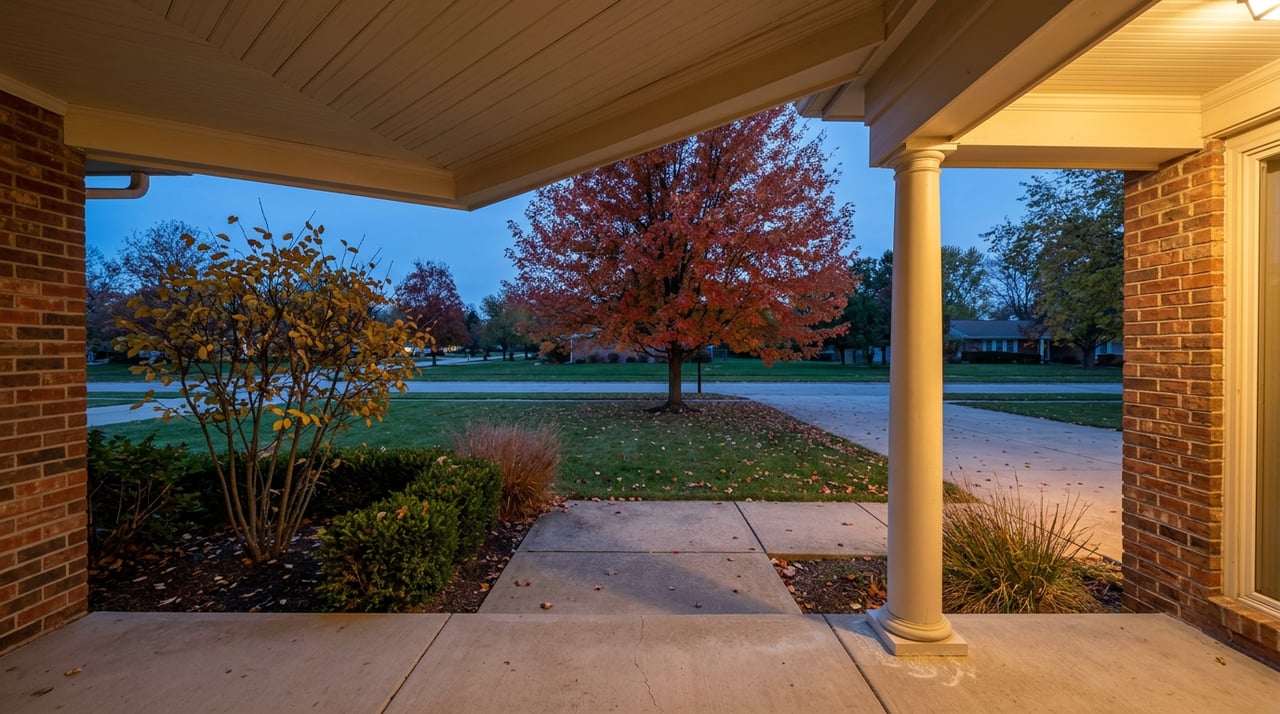
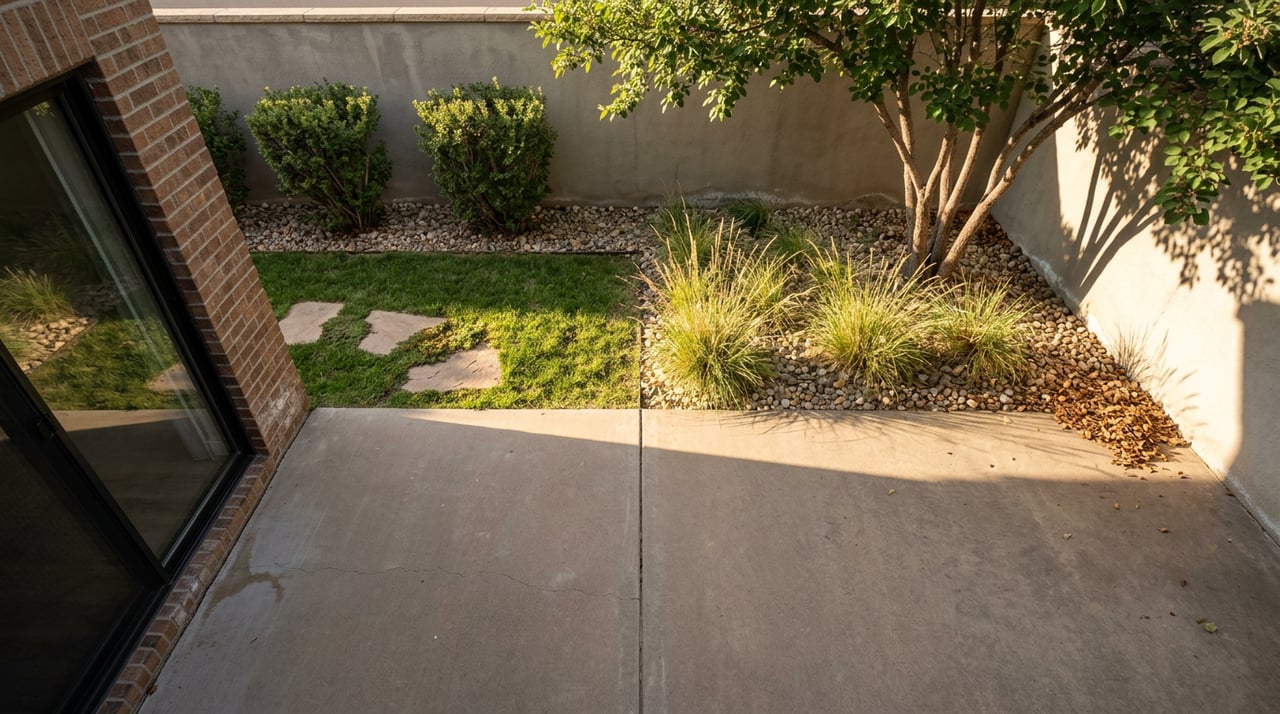
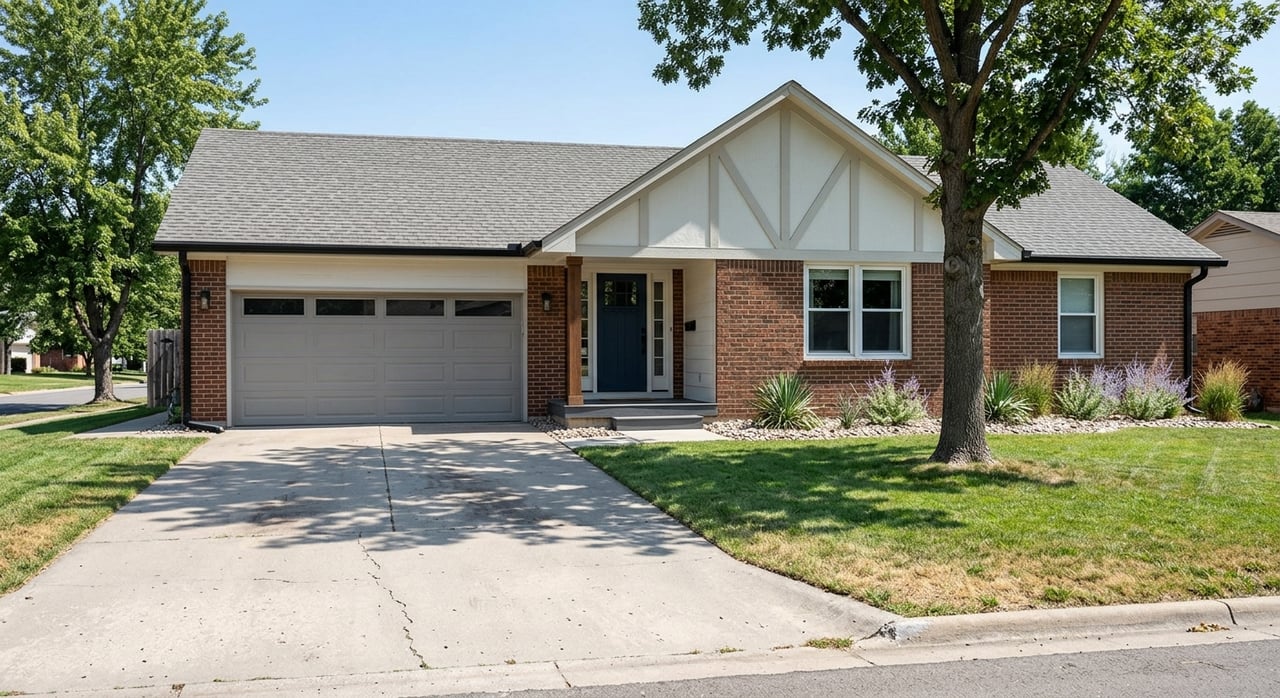
- Improve curb appeal
Staging can also help, even if you do not do a full-service setup. NAR’s 2025 staging findings show that 83% of buyers’ agents said staging made it easier for buyers to visualize a property as a future home. The most important rooms to focus on are the living room, primary bedroom, and kitchen.
In practical terms, that often means simplifying furniture placement, removing distractions, and making key rooms feel bright and functional. If full staging is not the right fit, targeted updates paired with decluttering can still strengthen your first impression.
Step 3: Review Colorado seller paperwork
Selling a home in Aurora also means preparing for the normal Colorado disclosure process. One of the standard forms sellers should expect is the Colorado Real Estate Commission’s Seller’s Property Disclosure, which is completed based on your current actual knowledge.
Colorado brokers also have to disclose adverse material facts they actually know, including certain issues related to title, physical condition, material defects, and environmental hazards. In plain terms, disclosures are a routine part of the process, not a red flag. Completing them thoroughly and on time helps reduce surprises later.
Common seller paperwork may include:
- A listing contract
- The Seller’s Property Disclosure
- The purchase and sale contract once you accept an offer
Step 4: Price your home with local comps
Pricing is one of the biggest decisions you will make. In a market where the median sale-to-list ratio is close to 1.0, buyers are still engaging, but they are not ignoring overpriced listings. A strong price should reflect current demand in your immediate area, not just the overall Aurora average.
Because Aurora covers more than 165 square miles and includes very different neighborhoods and housing types, local comparable sales matter more than broad headline stats. Your home should be compared with recent nearby sales that match its style, size, condition, and property type as closely as possible.
That is especially important if you own a townhome or condo. Attached homes often follow different pricing patterns than detached homes, and HOA-related details may also affect buyer expectations and contract terms.
Step 5: Launch with strong marketing
Once the home is ready and the price is set, your listing launch should be intentional. Sellers often want two things at this stage: wider buyer exposure and a plan that helps generate competitive interest. A clean launch usually includes professional photography, clear property details, showing coordination, and prompt follow-up.
This is where presentation and marketing work together. If buyers first see your home online, the photos and visual flow of the property will shape whether they schedule a showing. That is why staging, decluttering, and small repairs belong in the marketing plan, not just on a prep checklist.
A strong launch often includes:
- Professional listing photos
- A clear pricing strategy
- Thoughtful room presentation
- Easy showing access when possible
- Fast feedback collection after showings
Marketing and showings also need to stay consistent and compliant. Aurora’s fair housing guidance is a reminder that housing sales are subject to the Fair Housing Act, so listing language, showing access, and communication should be handled in a neutral and consistent way.
Step 6: Manage showings and early feedback
Once your home is live, the first few weeks matter. In Aurora, current market data suggests many homes take about 40 to 44 days to go pending, so it is wise to expect a multi-week launch period rather than immediate results in every case.
That does not mean waiting passively. Showing activity and buyer feedback can tell you whether the price, presentation, or access plan needs adjustment. If buyers like the home online but do not book showings, the issue may be pricing or photos. If showings happen but offers do not, buyer feedback may point to condition, layout, or expectations around updates.
This stage is easier when communication is clear and consistent. A responsive selling process helps you understand what is happening in real time instead of guessing.
Step 7: Review offers carefully
When offers come in, price is important, but it is not the only thing that matters. In Colorado, brokers must present offers to sellers in a timely manner, and the listing contract sets expectations for how communication is handled during the transaction.
A purchase contract may include terms related to financing, appraisal, inspection, title review, HOA or covenant review, and timing. That means the strongest offer is not always the highest one. Sometimes a slightly lower offer with cleaner terms can create a more reliable path to closing.
As you compare offers, look at:
- Offered price
- Financing terms
- Appraisal provisions
- Inspection terms
- Requested timelines
- HOA or document review considerations, if applicable
- Overall likelihood of closing smoothly
This is where organized communication matters most. You want to know what each buyer is asking for, how the deadlines line up, and where the risks may be.
Step 8: Move through contract to closing
After you accept an offer, the sale moves into the contract phase. In Colorado, that usually includes inspection, appraisal if financing applies, escrow-related steps, and title work. The title company verifies ownership, identifies liens or encumbrances, and handles the closing process.
Closing typically happens at a title company, where final documents are signed and ownership is transferred. For sellers, this final stage is about staying on top of contract deadlines, agreed repairs or resolutions, and move-out logistics.
A simple timeline looks like this:
- Prepare the home
- List and market the property
- Receive and negotiate offers
- Go under contract
- Complete inspection, appraisal, and title steps
- Sign closing documents
- Transfer possession and hand over the keys
What sellers in Aurora should keep in mind
Aurora’s size and variety are a big reason selling here takes a tailored approach. A pricing plan for a detached home in one pocket of the city may not fit a condo or townhome in another. The more your strategy reflects your exact submarket, the better positioned you are to attract serious buyers.
It also helps to remember that today’s buyers are paying attention to value. With homes taking several weeks to go pending on average and sale-to-list ratios staying close to asking price, realistic pricing and polished presentation often work better than testing the market with an inflated number.
For many sellers, the best experience comes from having a clear plan from the beginning. That means knowing your goals, getting the home ready, reviewing disclosures carefully, launching with purpose, and evaluating offers based on both price and terms.
Selling your home does not have to feel overwhelming when each step is handled with clarity and follow-through. If you are getting ready to sell in Aurora and want a practical plan built around your timeline, your home type, and your local market, Front Range Collective is here to help.
FAQs
How long does it usually take to sell a home in Aurora?
- Recent Aurora market data suggests many homes take about 40 to 44 days to go pending, followed by additional time for inspection, title, and closing steps.
What paperwork do sellers usually sign in Colorado?
- Common seller paperwork includes the listing contract, the Colorado Seller’s Property Disclosure, and the purchase and sale contract if you accept an offer.
Do Aurora home sellers need to stage their property?
- Not always, but staging or targeted prep can help buyers visualize the home more easily, especially in the living room, primary bedroom, and kitchen.
Are all offers presented to sellers in Colorado?
- Yes. Colorado’s Division of Real Estate says listing brokers must present offers to seller clients in a timely manner.
What should Aurora sellers focus on when comparing offers?
- Sellers should look at price, financing, appraisal and inspection terms, timing, and other contract conditions, not just the top dollar amount.
What if my Aurora property is part of an HOA?
- HOA documents and covenants can be part of the buyer’s review process, so those details may affect negotiation and contract timing.