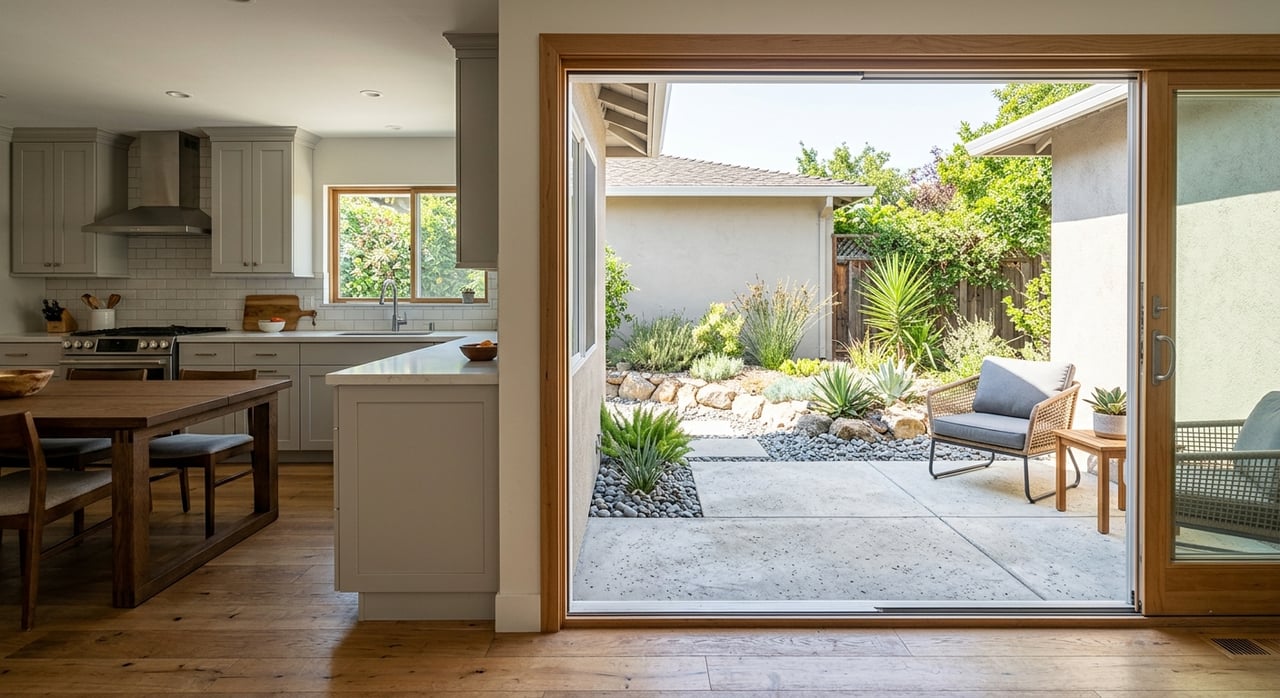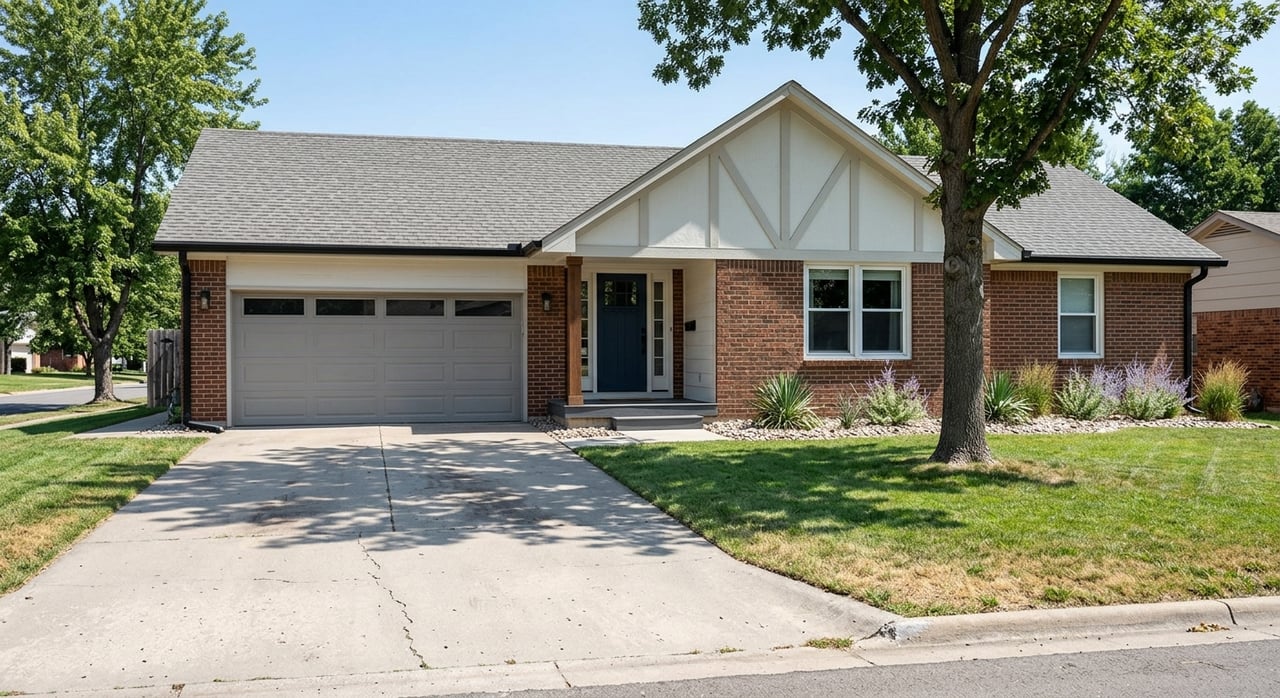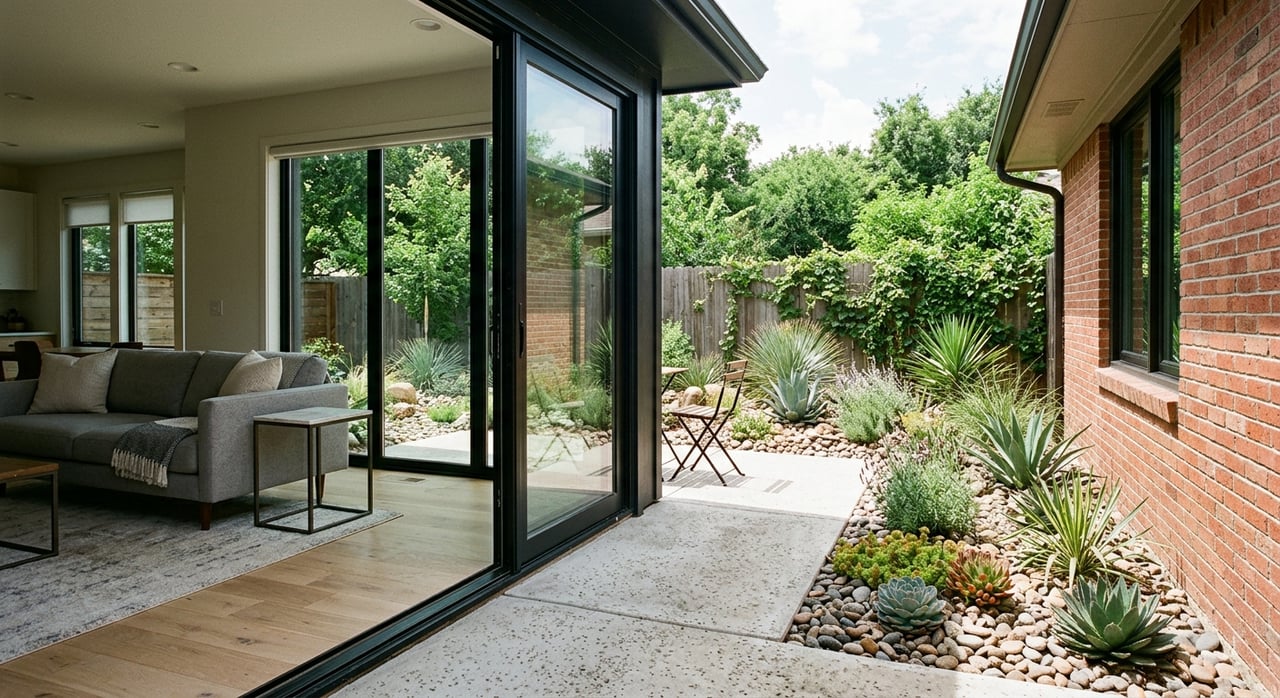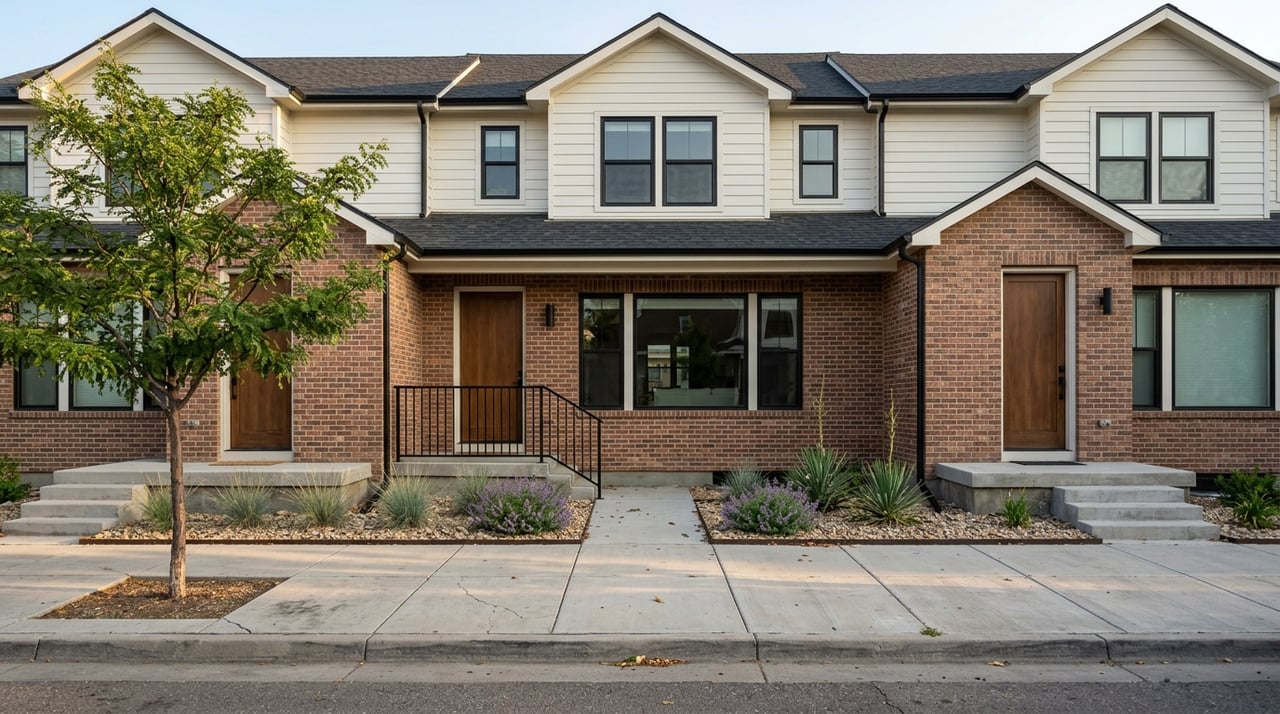
Wondering if buying a starter home in central Denver is still realistic? The short answer is yes, but in Denver’s core, “starter home” often means a condo, townhome, or other attached property rather than a detached house with a big yard. If you want to buy close to downtown, this guide will help you understand where entry-level options tend to show up, what tradeoffs to expect, and how to shop smart in a market where pricing, HOA dues, and commute value all matter. Let’s dive in.
What a starter home means in Denver’s core
In Denver’s central neighborhoods, starter-home searches often lean heavily toward attached housing. According to the Denver Metro Association of Realtors, the attached-home segment includes condos, townhomes, row houses, apartment buildings, and high-rise residential towers, and that segment has been one of the softest parts of the market.
That matters because it creates both opportunity and caution for buyers. On one hand, attached homes are often the most realistic path into close-in neighborhoods. On the other, rising HOA fees and insurance costs can change what looks affordable at first glance.
Denver Metro’s March 2026 median close price was $590,000, which helps explain why many first-time and budget-conscious buyers look beyond detached homes in the city center. In many core areas, the historic housing pattern is dense and mostly attached, so lower-priced condos and townhomes are often the practical starting point.
Why Denver core buyers need to compare total cost
If you are shopping for a starter home in the city, list price is only part of the equation. Your real monthly budget should include principal and interest, property taxes, insurance, and any HOA dues.
That last number can be significant. The Consumer Financial Protection Bureau notes that condo and HOA dues are usually separate from the mortgage payment and can range from a few hundred dollars a month to more than $1,000, so they need to be part of your affordability math from day one.
For many buyers, the better question is not simply, “Is this condo cheaper than a house?” It is, “What do I get for the full monthly payment?” In Denver’s core, that often includes a shorter commute, easier access to transit, and the ability to get around with less reliance on a car.
Where to look in Denver’s core
Downtown, LoDo, and Union Station
If your top priority is walkability and transit access, downtown-adjacent neighborhoods deserve a close look. Denver describes downtown as walkable, and Union Station serves as the region’s intermodal hub with light rail, commuter rail, Amtrak, regional buses, shuttles, and bike and pedestrian access.
This area can make sense if you want a car-light lifestyle and easy access to jobs, dining, and entertainment. The tradeoff is that you will likely focus on condos and similar attached homes, and well-priced listings in desirable locations can still draw strong interest.
Capitol Hill and Golden Triangle
Capitol Hill and Golden Triangle are often strong candidates for buyers who want a central location and are open to older housing stock. Visit Denver highlights the area’s walkable street pattern, museums, galleries, restaurants, and historic character.
In practical terms, many buyers here are comparing older condos, converted units, and smaller attached homes. Pricing can vary sharply by micro-neighborhood, with March 2026 snapshots showing Capitol Hill around $308,250 and Five Points around $425,000, which is a reminder that one area can feel much more accessible than another even within the urban core.
Uptown, North Capitol Hill, and City Park West
If you want to stay close to downtown without living in the busiest entertainment zones, this group of neighborhoods is worth attention. Visit Denver describes Uptown as an eclectic mix of brick rowhouses, bars, and cocktail lounges, with Restaurant Row and City Park nearby.
For buyers, this often means balancing location with unit size and building type. You may find the central feel you want, but your options may skew toward rowhouse-style or condo living rather than detached homes.
Five Points and RiNo
Five Points and RiNo often appeal to buyers who care as much about mobility and neighborhood energy as they do about square footage. The City of Denver places Five Points just northeast of downtown, and RTD notes that the D Line connects 30th & Downing through the Five Points Business District and downtown to I-25 & Broadway.
RiNo is known for its mix of historic industrial buildings, restaurants, galleries, studios, and bike-friendly access. If you value biking, transit, and walkability, these areas may offer strong lifestyle value, even if your budget points you toward a smaller attached home.
Why well-priced homes still move fast
Even in a market with more sensitivity around condos and townhomes, buyers should not assume every listing will sit. DMAR reported that well-priced homes in desirable locations were still seeing multiple offers, and the overall median close price rose 2.61% month over month in March.
That means preparation matters. If you find a home that is priced well, located well, and fits your monthly budget, you may need to move quickly and make decisions with confidence.
HOA due diligence matters more than ever
In Denver’s core, many starter-home options come with an HOA, so due diligence is not optional. Colorado buyers under contract are entitled to the documents listed in Section 7 of the residential contract, and the Colorado Department of Regulatory Agencies says those documents should include governing and financial records.
DORA also recommends reviewing key items such as:
- CC&Rs
- Common elements
- Plat maps
- Assessment rules
- Maintenance responsibilities
- Use restrictions
Another important step is checking whether the HOA is registered. DORA says an unregistered HOA cannot pursue enforcement or file a lien against a delinquent homeowner, which makes registration status a meaningful part of your review.
The bigger takeaway is simple: do not treat HOA documents as paperwork to skim at the last minute. They help you understand what you own, what you pay for, what rules apply, and what financial risks may exist in the association.
Financing can depend on the condo project
A condo can look perfect on the surface and still create financing issues. HUD says FHA condo approval can depend on factors such as insurance coverage, financial condition, title, pending legal actions, and the project’s physical condition.
Conventional financing can also involve project-level review. Fannie Mae standards may require budgets, financial statements, reserve studies, proof of insurance, and condo questionnaires.
For buyers, that means approval is not just about your credit score or down payment. It can also depend on the building or community itself, which is one more reason to investigate the project early.
Assistance programs can help close the gap
For buyers trying to make a Denver core purchase work, down payment and closing cost help can make a meaningful difference. CHFA offers home loans with grants or second mortgages for down payment and or closing cost assistance, and it also offers free homebuyer education.
CHFA says its education class is required to receive a CHFA mortgage loan. Denver also notes that the metroDPA program offers interest-free, no-monthly-payment assistance through approved lenders, and the Denver Advantage program is available for qualified purchases in Denver County.
These programs do not solve every affordability challenge, but they can improve your options if your income, savings, and loan profile line up with program requirements. In a high-cost area, that extra support may be what turns a close-in purchase from a maybe into a workable plan.
A smart way to evaluate starter homes
When you compare homes in Denver’s core, it helps to look at each option through the same lens. Instead of focusing only on list price, compare the full package.
Ask yourself:
- What is the all-in monthly payment?
- How much of that payment is HOA dues?
- What does the HOA cover?
- How long is the commute, and what transportation options are nearby?
- Does the building appear likely to work for your financing?
- Are you comfortable with the size, layout, and maintenance setup?
This kind of side-by-side comparison can keep you from overvaluing a low list price or overlooking a home that offers better long-term fit. In central Denver, the right starter home is often the one that balances budget, building health, and daily convenience.
Bottom line for Denver core buyers
Finding a starter home in Denver’s core is still possible, but it usually takes a realistic definition of “starter” and a careful look at total monthly cost. In many central neighborhoods, attached homes are the main path in, and the best opportunities often come from understanding neighborhood tradeoffs, HOA details, and financing fit before you fall in love with a listing.
If you want a practical plan for comparing central Denver condos, townhomes, and other entry-level options, Front Range Collective is here to help you move with clarity and confidence.
FAQs
What does a starter home usually mean in Denver’s core areas?
- In central Denver, a starter home often means a condo, townhome, row house, or other attached property rather than a detached single-family home.
Which Denver core neighborhoods may have lower-priced starter-home options?
- Capitol Hill is one example where pricing can come in lower than some nearby central neighborhoods, while Five Points shows how much prices can vary across micro-neighborhoods.
Are HOA dues included in a Denver condo mortgage payment?
- Usually no. HOA dues are typically paid separately from your mortgage payment and should be included in your monthly affordability calculations.
What HOA documents should Denver condo buyers review during contract?
- Colorado buyers should review the documents available under Section 7 of the residential contract, including governing and financial records, plus items like CC&Rs, plat maps, assessment rules, maintenance responsibilities, common elements, and use restrictions.
Can FHA or conventional financing work for a Denver condo project?
- Sometimes, but it depends on both your loan profile and the condo project’s finances, insurance, legal status, and overall condition.
Why do Denver core starter homes often sell quickly?
- DMAR reported that well-priced homes in desirable locations were still seeing multiple offers, so strong value and strong location can still lead to competition.