Thinking about relocating to Colorado Springs? The tricky part is not whether the city has something to offer. It is figuring out which part of town actually fits the way you want to live. From historic blocks near downtown to newer neighborhoods on the north and east sides, Colorado Springs gives you several very different lifestyle options. This overview will help you narrow the map and focus on the areas that match your commute, home style, and day-to-day priorities. Let’s dive in.
Why Colorado Springs Feels So Different by Area
Colorado Springs is not one single neighborhood market. It is a mix of historic core neighborhoods, traditional central areas, newer suburban growth on the north and east sides, scenic foothill communities, and more urban infill near downtown.
That variety is part of the appeal if you are relocating. The city sits at the base of Pikes Peak and spreads along major transportation corridors, so each area tends to feel distinct in age, layout, and access. City planning materials also note that neighborhood boundaries are more like guides than hard lines, since nearby areas often share shopping, streets, and daily routines.
Another major draw is outdoor access. Colorado Springs manages more than 9,000 acres of parkland, about 12,000 acres of open space, and 500 acres of trails. According to PlanCOS, 77% of residents are within an easy 10-minute walk of some park, greenway, trail, or parkland.
Historic Neighborhoods Near the Core
If you want older homes, mature trees, and a closer-in location, start with the historic and traditional neighborhoods near the city center and west side.
Old North End and nearby areas
The Old North End is a historic area just north of downtown. Nearby communities such as Patty Jewett and Historic Uptown share that older, established feel and are often the first stop for buyers who want architecture and a more classic neighborhood setting.
These areas generally appeal to people who value tree-lined streets and a less suburban layout. Because much of the city’s older housing is concentrated closer to downtown, you will often see a different street pattern and home style here than in newer parts of Colorado Springs.
Old Colorado City and the Westside
Old Colorado City centers on West Colorado Avenue and is known for historic buildings and an arts-and-dining corridor. Parts of the Westside also fall into the city’s historic neighborhood pattern, making this section of town a strong option if you want character and easier access to west-side open spaces.
For many relocators, the appeal here is lifestyle as much as housing. You get a more established setting and a closer connection to some of the city’s best-known outdoor destinations.
Knob Hill, Ivywild, and Patty Jewett
PlanCOS identifies Knob Hill, Ivywild, and Patty Jewett as traditional neighborhoods laid out before the mid-1950s. These areas often include gridded streets and more walkability features than newer suburban developments.
Knob Hill is also associated with the KHUAD arts district, while Ivywild offers a central-to-southwest location that puts you near both urban amenities and foothill access. If you want a more urban feel without living in downtown proper, these neighborhoods deserve a look.
Newer North and Northeast Neighborhoods
If your priority is newer housing, master-planned streets, and strong access to major retail areas, the north and northeast sides are usually the best fit.
Briargate and the north side
Briargate is one of the city’s largest residential areas. It is known for shopping, trails, and quick north-side connections, which makes it a common landing spot for buyers who want a familiar suburban layout and daily convenience.
This part of town tends to feel newer than the historic core. That lines up with the city’s broader housing pattern, where newer homes generally expand outward from the center.
Wolf Ranch, Woodmen Heights, and Banning Lewis Ranch
PlanCOS describes Wolf Ranch and Woodmen Heights as emerging neighborhoods and identifies Banning Lewis Ranch as a future-neighborhood area. These communities are part of the city’s ongoing outward growth and often attract buyers who want newer construction patterns and suburban-style planning.
If you are relocating and want lower-maintenance exterior options or a newer floor plan, this side of the city may rise to the top quickly. It is especially useful to compare these areas if your work or daily errands take you along the north or east corridors.
InterQuest, Northgate, Flying Horse, and Gleneagle
VisitCOS groups the InterQuest and Northgate area into the city’s Northern Communities, including neighborhoods such as Flying Horse and Gleneagle near the Air Force Academy area. This section is often a strong fit for buyers who want north-end retail access and a suburban setting.
For relocators, this category tends to work well when convenience, newer housing stock, and north-side positioning matter most. It is one of the clearest contrasts to the older central and west-side neighborhoods.
East-Side and Southeast Options
If you are balancing convenience and budget, the east-side corridor and southeast Colorado Springs often become key parts of your search.
Powers corridor
The Powers area is described as an east-side corridor with major retail concentration and a value-conscious feel. Buyers often start here when they want practical daily convenience and easier access to major roads.
This part of town can make sense if you want a more suburban rhythm without paying for a historic or foothill setting. It is often one of the easier areas to consider first when you are building a relocation short list.
Southeast Colorado Springs
PlanCOS classifies Southeast COS, Valley Hi, and Park Hill as changing neighborhoods where more infill and redevelopment are expected. In practical terms, that means this part of the city may appeal to buyers looking for corridor access and a more budget-conscious entry point.
As always, the best fit depends on your priorities. Some buyers focus on road access and home type first, while others care more about being near specific parts of town for work or recreation.
Southwest and Foothill Living
If mountain views, trail access, and a more distinctive setting matter most, the southwest side and rural-edge areas may be the best match.
Southwest Colorado Springs
Southwest COS includes Ivywild, Skyway, Broadmoor, Cheyenne Cañon, and communities along the base of Cheyenne Mountain. This area is closely tied to hiking access, major attractions, and strong local amenities.
From a lifestyle standpoint, this is one of the city’s strongest options for buyers who want scenery woven into daily life. It also puts you close to places like North Cheyenne Cañon and other west-side and southwest outdoor destinations.
Black Forest
Black Forest offers a more secluded, wooded setting while still sitting only a few minutes outside the city proper. For buyers who want space and a setting that feels less like a standard subdivision, it can be a compelling option.
This area is usually best considered as its own category. It offers a different feel than the more compact neighborhoods closer to central Colorado Springs.
Downtown and Low-Maintenance Living
If you want a more urban setup, downtown and the city’s infill areas deserve close attention.
Downtown and Tejon Corridor
PlanCOS treats downtown as its own neighborhood type. VisitCOS describes the Tejon Corridor as a historic restaurant-and-retail street with a dense urban feel.
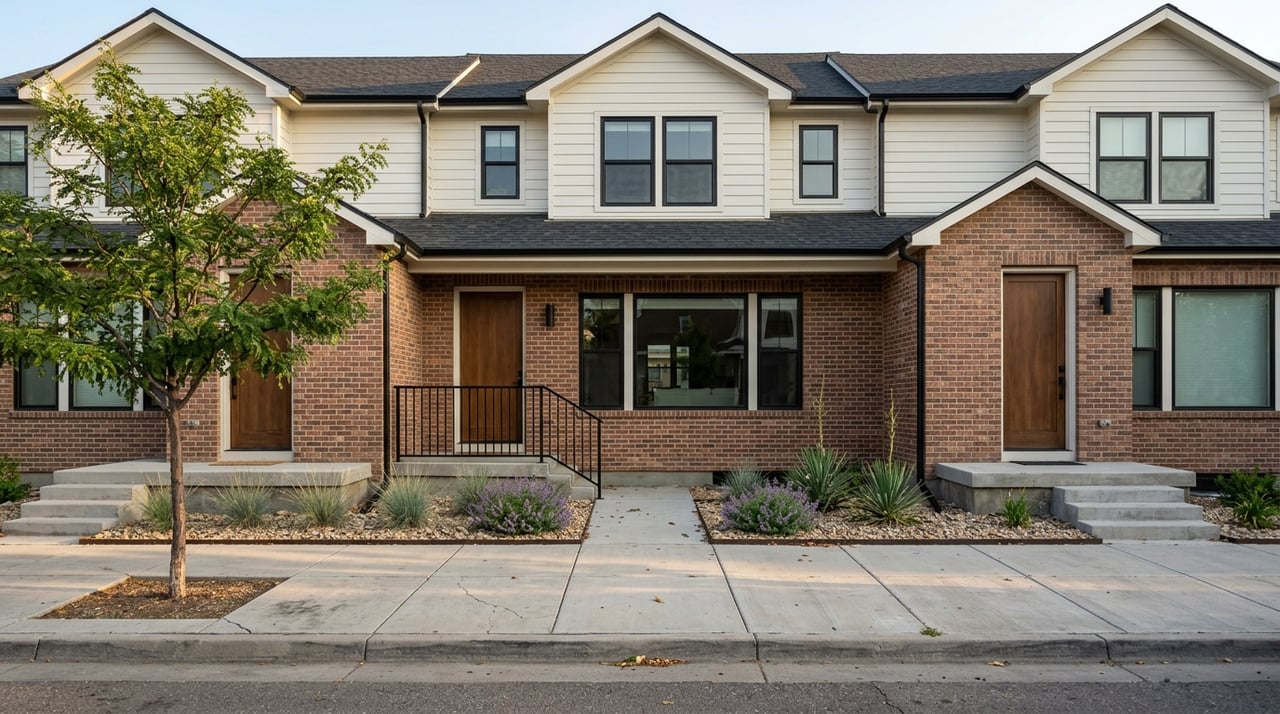
This is often the part of town that attracts buyers who want lower-maintenance living and quick access to dining, events, and central amenities. It is a very different experience from the city’s larger suburban neighborhoods.
East Downtown and New South End
East Downtown is described as a quieter, trail-adjacent area along Shooks Run Creek. The New South End is a fast-evolving area with repurposed rail-yard spaces and newer apartments.
For remote workers or buyers who want urban infill and less exterior upkeep, these areas are worth watching closely. They show how Colorado Springs is adding new housing choices beyond the traditional single-family model.
How to Think About Your Commute
In Colorado Springs, commute convenience usually depends more on corridor access than raw distance on a map. The city’s transportation plan identifies I-25 and Powers Boulevard as the region’s high-speed, high-capacity backbone, while roads like Academy Boulevard, Union Boulevard, Platte Avenue, Briargate Parkway, and Woodmen Road act as important connectors.
That matters when you are relocating. Two homes that look close in mileage can feel very different depending on how easily you reach the corridor you use most.
Transit exists, but it is generally a supplement rather than the main commute option. Mountain Metro provides about 40 fixed bus routes across Colorado Springs and the Pikes Peak region, the free downtown ZEB shuttle runs along the Tejon Corridor every 7 to 10 minutes, and Route 37 links Hancock Plaza with the Colorado Springs Airport.
Commute times are moderate by national standards. The city’s Consolidated Plan reports that 77% of workers commute under 30 minutes, 18% commute 30 to 59 minutes, and 5% commute 60 minutes or more.
Outdoor Access Across the City
One of the biggest advantages of living in Colorado Springs is how many outdoor options are built into daily life. The city’s park and open space system includes Garden of the Gods, North Cheyenne Cañon, Palmer Park, Ute Valley, Red Rock Canyon, Stratton, and Austin Bluffs.
If outdoor access is high on your list, the west and southwest sides are often the strongest match for trail access and mountain scenery. That is especially true around Garden of the Gods, Red Rock Canyon, North Cheyenne Cañon, and Cheyenne Mountain State Park.
North and central areas offer a different outdoor pattern. They are often tied more closely to Palmer Park, Austin Bluffs, Pulpit Rock, and the approximately 10-mile Legacy Loop around downtown.
What Housing Stock Looks Like
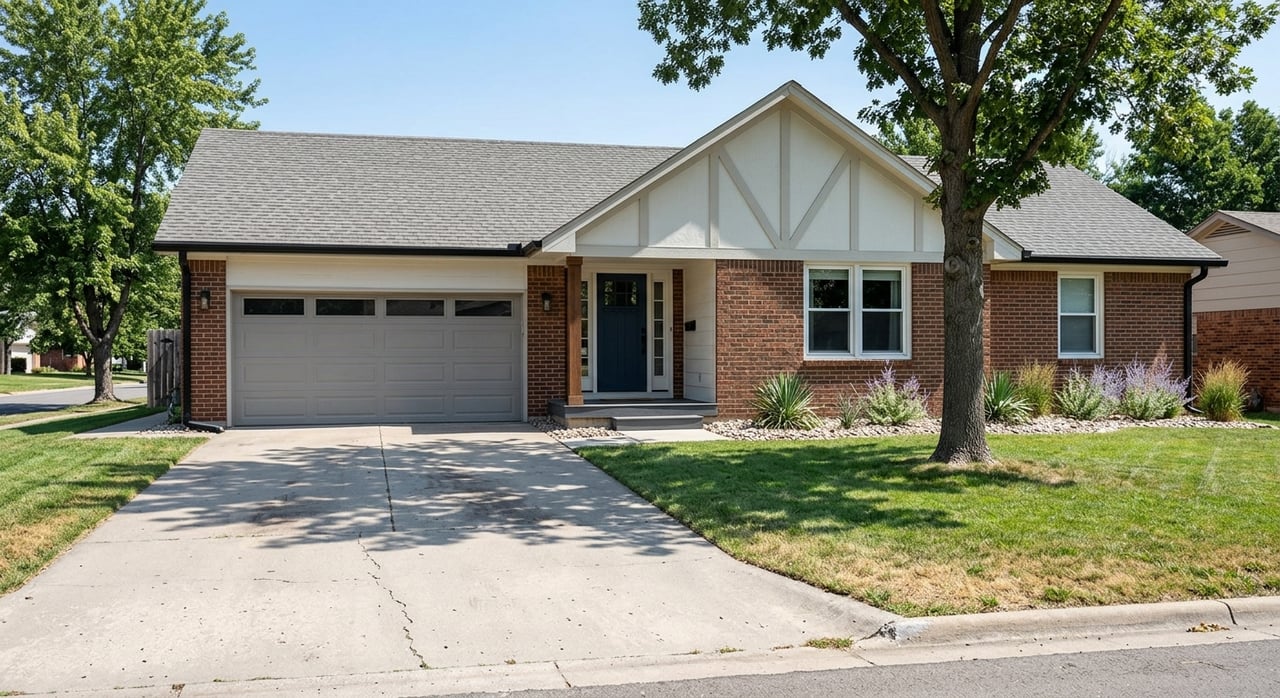
Colorado Springs is still mostly a single-family market, but it is more varied than many relocators expect. Census QuickFacts reports an owner-occupied housing rate of 60.9% and a median owner-occupied home value of $452,600.
The city’s 2025-2029 Consolidated Plan shows the housing mix includes:
- 60.9% single-family detached
- 8.3% single-family attached
- 6.0% 2 to 4 units
- 11.9% 5 to 19 units
- 10.7% 20+ units
- 2.2% mobile home or other
Older homes are concentrated closer to downtown, while newer homes generally expand outward from the center. That is one reason central neighborhoods often feel older and denser, while north and east neighborhoods tend to feel newer and more suburban.
A Simple Way to Narrow Your Search
If you are relocating to Colorado Springs, a simple first step is to decide which of these broad patterns sounds most like you:
- Historic and walkable: Old North End, Old Colorado City, Westside, Knob Hill, Ivywild, Patty Jewett
- Newer suburban and commuter-friendly: Briargate, Wolf Ranch, Woodmen Heights, Northern Communities, Flying Horse, Gleneagle
- Corridor and value oriented: Powers and Southeast COS
- Scenic and foothill-driven: Southwest COS and Black Forest
- Urban infill and low-maintenance: Downtown, East Downtown, New South End
Once you know your category, it gets much easier to compare actual homes. Instead of trying to search the whole city at once, you can focus on the neighborhoods that best fit your lifestyle and timeline.
If you are planning a move to Colorado Springs and want practical help narrowing the options, Front Range Collective can help you compare neighborhoods, home types, and commute tradeoffs with a clear local strategy.
FAQs
What are the best Colorado Springs neighborhoods for historic homes?
- Old North End, Old Colorado City, parts of the Westside, Knob Hill, Ivywild, and Patty Jewett are among the clearest starting points for buyers who want older architecture and a more established neighborhood feel.
What Colorado Springs areas have newer suburban neighborhoods?
- Briargate, Wolf Ranch, Woodmen Heights, Banning Lewis Ranch, Flying Horse, Gleneagle, and other north or northeast communities are commonly associated with newer housing and suburban-style layouts.
What Colorado Springs neighborhoods are good for outdoor access?
- West and southwest areas are often the strongest match for trail access and mountain scenery, while central and north areas connect well to places like Palmer Park, Austin Bluffs, Pulpit Rock, and the Legacy Loop.
What matters most for a Colorado Springs commute?
- Corridor access is often more important than simple map distance, especially if you rely on I-25, Powers Boulevard, Academy Boulevard, Union Boulevard, Platte Avenue, Briargate Parkway, or Woodmen Road.
Is Colorado Springs mostly single-family housing?
- Yes. City and Census data show Colorado Springs is still primarily a single-family market, though it also includes attached homes, small multi-unit properties, larger apartment-style buildings, and some mobile home or other housing types.