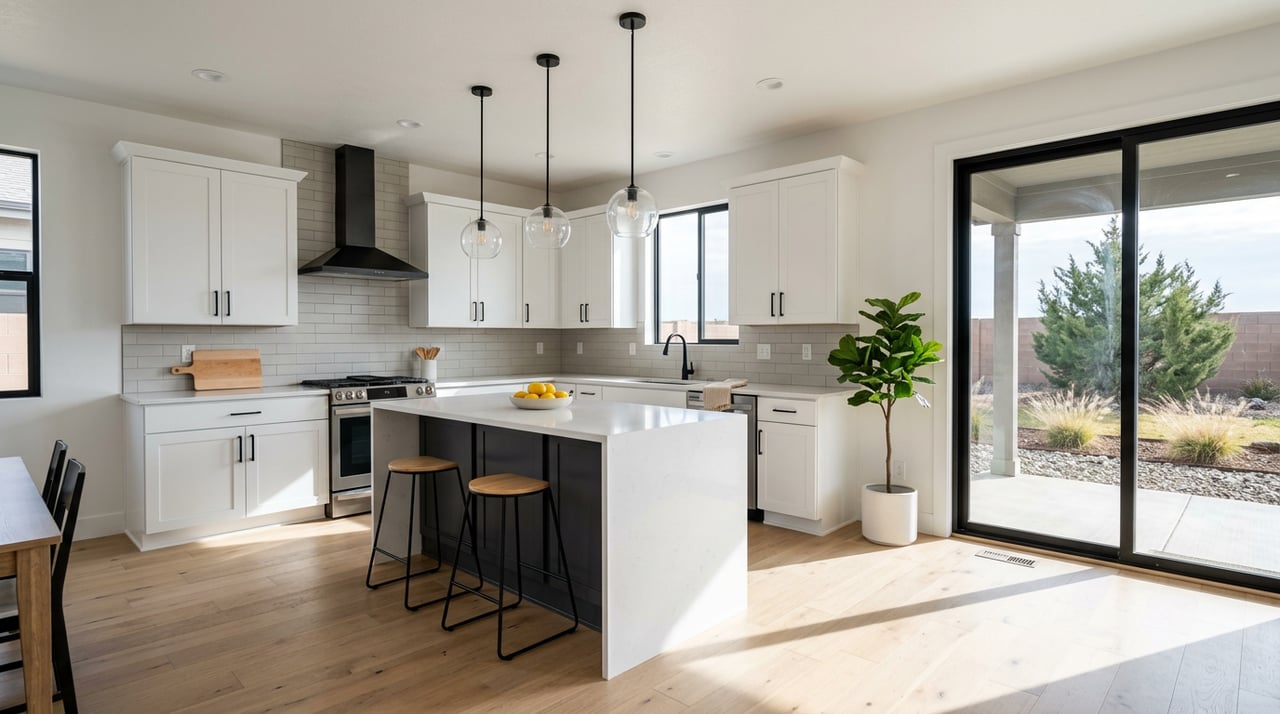
Thinking about selling your home in Highlands Ranch? You are not alone, and you might be wondering how long it will take, what it will cost, and what buyers expect right now. The Denver metro has shifted toward a more balanced market, so a fast, top-dollar sale is not automatic. In this guide, you will learn a realistic timeline from prep to closing, the line-item costs you should plan for, key Colorado disclosures, and smart marketing moves that work in Highlands Ranch. Let’s dive in.
Today’s market in Highlands Ranch
Local data providers place single-family home values in Highlands Ranch in the high 600s to low 700s, with marketing times that are longer than the 2021–2022 peak. The broader Denver area has moved toward a more buyer-friendly or balanced market, which means more negotiation and fewer instant bidding wars. Recent metro coverage highlights higher inventory and slower pace across the region.
What this means for you: price competitively using very recent neighborhood comps, prepare the home well, and plan for a measured but steady process instead of a sprint.
A realistic timeline
Selling a Highlands Ranch home follows a clear set of stages. Here is what a common path looks like.
Weeks 1–4: Prep and launch
- Declutter, complete minor repairs, and schedule professional cleaning.
- Consider a pre-listing inspection to surface issues early. This can reduce surprises in buyer negotiations.
- Stage key rooms or use light styling. Strong photography, a virtual tour, and a floor plan are essential.
- Order HOA or metro district resale packets early if applicable. These documents often have fees and turnaround times that can affect your schedule. Colorado guidance on disclosures and HOA documents explains why buyers have document review rights.
Typical prep takes 1 to 4 weeks depending on scope and contractor availability. A clear plan keeps you on track. For a Colorado-specific view of contract timing, see this contract-to-close overview.
Weeks 2–12: Live on market and showings
Expect 30 to 90 or more days on market depending on price band, condition, and season. In a balanced market, you may see steady showings and a handful of offers rather than a weekend rush. You will review feedback, adjust pricing if needed, and keep presentation sharp.
30–45 days: Under contract to closing
Once you accept an offer, plan about 30 to 45 days to close for financed buyers. Cash deals can close faster, sometimes in 7 to 14 days. Common checkpoints in Colorado include:
- Inspection and due diligence, often 7 to 14 days.
- Title search and HOA document review windows.
- Appraisal and loan commitment, often 21 to 45 days depending on the lender.
Calendar reminders tied to each contract deadline help you avoid delays. Many sellers also prepare for appraisal conversations in case values come in below contract price.
What it costs to sell
Here are the most common seller costs in Colorado. The exact numbers depend on your price point and negotiated terms.
Commissions
Broker commissions are typically the largest expense and are negotiable. Totals commonly range around 5 to 6 percent when both listing and buyer brokers are compensated. Confirm the fee and services in writing. See a detailed breakdown in this guide to seller closing costs.
Title insurance
It is customary in Colorado for the seller to pay for the buyer’s owner’s title insurance policy, while the buyer pays the lender’s policy if there is a loan. Owner’s policy premiums are usually in the low thousands at Highlands Ranch price points. For state-specific context, see this overview of Colorado seller closing costs and title practice.
Taxes and fees
- Colorado documentary fee: $0.01 per $100 of the sale price, which equals the sale price multiplied by 0.0001. You can verify the statutory math in the Colorado Assessors’ Library.
- County recording and closing fees: expect flat per-document recording fees and standard title/escrow charges. Douglas County details recording procedures on its Recorder’s page.
Other line items
- Mortgage payoff and any second liens.
- Prorated property taxes and HOA dues.
- Agreed seller credits or inspection repairs.
- HOA transfer or estoppel fees.
Ask your agent and title company for a preliminary net sheet early so you can estimate your bottom line. The seller cost guide above also outlines common items.
Quick example of net proceeds
Illustration only. Replace with your actual payoff and a title worksheet.
- Sale price: $700,000
- Commission at 5.5 percent: $38,500
- Owner’s title policy: $1,400 (indicative)
- Documentary fee: $70
- Recording/closing fees: $43 (estimate)
- Mortgage payoff: $300,000
- Seller concessions/repairs: $2,500
Estimated net to seller: about $357,487, before prorations and any outstanding liens. Request a custom net sheet for a precise figure.
Colorado disclosures you must know
Colorado requires sellers to disclose known material facts and provide certain statutory notices.
Seller’s Property Disclosure
You must disclose known material defects and update your disclosures if something changes before closing. Read more about Colorado seller obligations in this state-specific overview.
Radon information
Colorado purchase contracts include radon language. Sellers must provide any known test results and the state brochure. The EPA’s action level is 4.0 pCi/L, and mitigation is a common inspection topic along the Front Range. Learn about state guidance in the Colorado Division of Real Estate’s updates and see the EPA’s radon basics.
HOA and special taxing districts
If your property is in an HOA or a metro district, buyers are entitled to review governing documents and financials. Disclose special taxing districts and be ready to provide contact or website details. The Colorado disclosure guide explains why these items matter for buyer due diligence.
Buyer expectations in Highlands Ranch
Highlands Ranch buyers often look for move-in-ready condition, updated kitchens and primary baths, efficient systems, and flexible spaces for work or hobbies. Presentation matters. NAR research shows that staging and strong listing photos can increase buyer interest and reduce days on market. See highlights from NAR’s staging resources.
Community features also play a role. Buyers often ask about HRCA recreation centers, parks, and trail access, along with school attendance boundaries and commuting options. The Highlands Ranch Metro District shares updates on community amenities and projects on its community pages.
Marketing that works here
To capture attention across Douglas County and Highlands Ranch, your listing should include:
- Professional interior, exterior, and twilight photos.
- A 3D or video tour and an accurate floor plan.
- Targeted online advertising and social promotion.
- Clear MLS remarks that call out HOA, HRCA access, nearby parks, and neutral school boundary details when accurate.
These basics put your home in front of qualified buyers and support a stronger first impression.
How a strong local team helps
A full-service listing team should provide:
- Pricing strategy: a local CMA broken down by sub-neighborhood and price band, plus scenarios for staged versus as-is.
- Prep management: vetted contractor referrals, a staging plan and budget, pre-list inspection coordination, and early ordering of HOA and metro district resale documents.
- Marketing production: professional photos, floor plans, virtual tour, MLS input, and targeted outreach to active agents and buyers.
- Showings and negotiation: offer comparison, appraisal and inspection strategies, and clear communication on deadlines.
- Transaction coordination: title and escrow coordination, payoff ordering, deadline tracking, and secure wire instructions.
Ask any prospective team for a written pre-listing net sheet, an itemized marketing plan with a schedule, sample contracts with example negotiation language, and a timeline tied to typical Colorado contract deadlines.
Avoid common pitfalls
- Metro district variability: tax mill levies can differ a lot from one parcel to another. Verify and disclose all districts early.
- HOA packet delays: slow turnaround or surprise assessments can cause delays. Order documents early.
- Radon readiness: expect many buyers to test. Have prior results ready or be prepared to negotiate mitigation.
- Appraisal gaps: if recent sales are softer than your contract price, be ready to discuss price adjustments, repair credits, or buyer cash coverage.
Your next steps
- Get a pricing review based on your specific sub-neighborhood and condition.
- Lock a 1 to 4 week prep plan with tasks and vendor timelines.
- Align on a marketing launch date and a 30 to 90 day on-market plan.
- Set a contract deadline calendar for inspection, appraisal, and loan milestones.
If you want a clear, data-backed plan for selling in Highlands Ranch, we are here to help. Connect with Front Range Collective to get your pricing review, prep checklist, and a custom marketing timeline.
FAQs
How long does it take to sell a Highlands Ranch home in 2026?
- In a balanced market, plan roughly 6 to 12 weeks from prep to accepted offer, then about 30 to 45 days to close for financed buyers, with cash deals sometimes closing in 7 to 14 days.
What seller closing costs should I expect in Douglas County, Colorado?
- Common costs include broker commissions, owner’s title insurance, Colorado’s documentary fee, county recording fees, prorated taxes and HOA dues, and any agreed credits or repairs.
Do Colorado home sellers have to provide radon information?
- Yes, Colorado contracts include radon language; sellers must share known test results and provide the state brochure, and buyers often test during inspections.
Who typically pays for the owner’s title insurance policy in Colorado?
- It is customary for the seller to pay for the buyer’s owner’s title policy, while the buyer pays the lender’s policy if there is a loan.
What is Colorado’s documentary fee when I sell?
- Colorado charges a statutory documentary fee of $0.01 per $100 of the sale price, which equals the sale price multiplied by 0.0001, plus local recording fees.
What do Highlands Ranch buyers look for right now?
- Buyers tend to prioritize move-in-ready condition, updated kitchens and baths, efficient systems, flexible spaces, and clear information about community amenities and school boundaries.