If your job pulls you toward Denver or Boulder, Broomfield often lands on the shortlist fast. It sits in a practical middle ground, which can make daily travel feel more manageable while still giving you access to parks, trails, and a wide mix of homes. If you are trying to balance commute time, home type, and day-to-day lifestyle, this guide will help you think through the tradeoffs before you buy. Let’s dive in.
Why Broomfield Works for Commuters
Broomfield stands out because it sits roughly between Denver and Boulder along Colorado’s High-Tech Corridor. US 36 is the main connection between the two cities through Broomfield, which makes the area especially relevant if your work is tied to either side of the metro.
Broomfield can also work well if your household has more than one commute pattern. One person may head toward Denver, another may travel toward Boulder, and some buyers may even find a chance to shorten travel by working closer to home. The city reports more than 40,000 employees working in over a thousand businesses and organizations in Broomfield itself.
If you want a citywide benchmark, Census QuickFacts lists Broomfield’s mean travel time to work at 26.3 minutes. That number should not be treated as your exact future commute, but it is a helpful starting point when you compare one part of Broomfield to another.
US 36 Shapes the Buying Decision
For most buyers thinking about commuting, US 36 is the first thing to understand. The city describes it as the primary highway link between Denver and Boulder, and the corridor includes managed lanes as well as a parallel multi-use path.
That matters because your home search may shift depending on how often you plan to use that corridor. If you drive five days a week, distance to US 36 may carry more weight. If you commute only a few days each week, you may decide that a little extra distance is worth it for a different home style, lot size, or setting.
A commute-focused home search in Broomfield is rarely just about mileage. It is usually about how easily you can get onto US 36, whether you want transit as a backup, and how much flexibility you need in your weekly routine.
Transit Options for Denver and Boulder
If you do not want to drive every day, Broomfield gives you real transit options. The Flatiron Flyer is the main service connecting the area to Denver and Boulder, and RTD describes it as an 18-mile express, high-frequency bus rapid transit line between downtown Denver and Boulder.
For Broomfield buyers, two key stations are often part of the conversation: US 36 and Broomfield Station, and US 36 and Flatiron Station. These stops can be valuable if you want to mix driving and transit instead of committing to a full car commute every day.
Broomfield Station operates as a Park-n-Ride with paid parking. RTD and city information also list connections there that include routes 120E, 120W, 76, 112, LD1, LD3, the Flatiron Flyer, and Broomfield FlexRide.
Flatiron Station adds route 228 and other local connections. Depending on where you buy, being closer to one of these stations may give you a more flexible routine, especially if your work schedule changes from day to day.
FlexRide Can Fill the Gap
Local service matters more than many buyers expect. RTD is consolidating the Broomfield and North Broomfield FlexRides into one service area, and the city describes Broomfield and Interlocken/Westmoor FlexRide as curb-to-curb service connecting riders to stations, shopping, schools, and other destinations.
Reservations can be made in advance and, if space is available, as little as 10 minutes before pickup. For buyers who want transit access without living right next to a station, this can be an important part of the overall commute picture.
Bike Access Is Part of the Equation
If you like active commuting or want another way to reach transit, Broomfield has useful bike infrastructure. The city says there are four Bike-N-Ride shelters at eastbound and westbound US 36 and at Flatiron and Broomfield stations.
The city’s trail map also describes the US 36 Bikeway as a seamless connection through Broomfield adjacent to the highway. That does not mean every buyer will bike to work, but it does create another practical option for getting to transit or reducing car dependence on some days.
Broomfield also reports more than 281 miles of trails, more than 700 acres of developed parks, 45 playgrounds, and more than 8,000 acres of private and public open lands. For many buyers, that outdoor network adds everyday value beyond the commute itself.
Which Parts of Broomfield Buyers Compare
Broomfield includes a broad mix of neighborhoods and housing areas, including Arista, Interlocken, Broomfield Town Centre, Anthem, Broadlands, Northmoor, McKay Landing, and Wildgrass. The right fit often depends on whether you are prioritizing travel efficiency, home style, outdoor access, or a combination of all three.
In general, buyers who are most focused on commute efficiency often look closely at southwest Broomfield near the US 36, Interlocken, and Flatiron corridor. Buyers who want a more suburban feel, newer construction, or more open space often compare neighborhoods in the north and west. That pattern is an inference from the city’s maps and transit layout, not an official city classification.
Because Broomfield is growing rapidly in the north and southwest while also redeveloping targeted areas, commute experiences can vary quite a bit within the same city. Two homes with the same Broomfield address may feel very different when you test the route to a station or highway entrance.
Housing Choices and Commute Tradeoffs
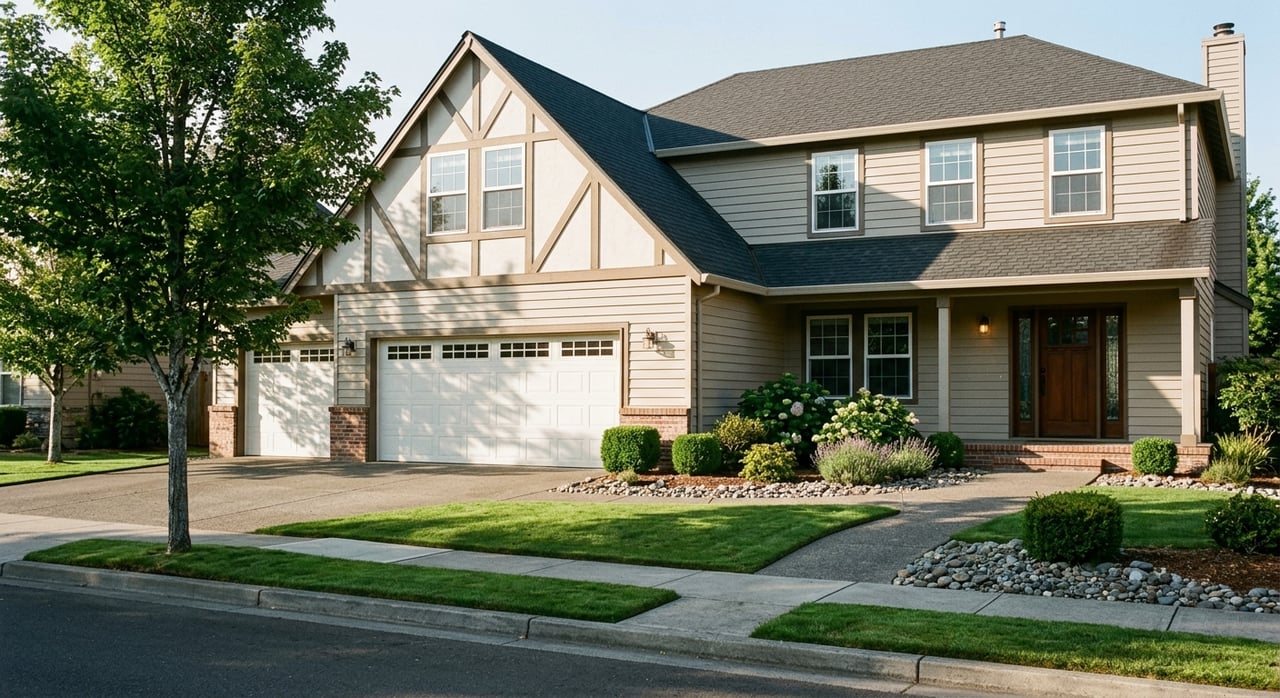
One reason Broomfield appeals to a wide range of buyers is its housing mix. The city notes that you can find starter homes, townhomes, condos, custom homes, apartments, and rentals.
That variety gives you room to match your home search to your commute goals. A condo or townhome near a transit connection may make sense if you want lower maintenance and easier access to stations. A single-family home farther from the corridor may offer a different balance of space, yard, or surroundings.
Here is a simple way to think about the tradeoff:
| Priority | What you may prefer |
|---|---|
| Faster access to US 36 or transit | Condo, townhome, or home nearer the corridor |
| More suburban setting | Neighborhoods farther north or west |
| More open space access | Areas where trails and open land are a bigger part of daily life |
| Flexible budget options | Comparing condos, townhomes, and single-family homes across multiple pockets |
The best answer depends on your routine. A home that looks ideal on paper may feel less convenient if it adds extra time getting to your station or highway entrance each morning.
Questions to Ask Before You Buy
When you are comparing Broomfield homes, practical questions usually matter more than broad averages. Start with how you will actually move through the week, not just where the listing sits on a map.
Ask yourself:
- Is your job in downtown Denver, downtown Boulder, or somewhere else along the corridor?
- Will you commute by car, Flatiron Flyer, bike, or a combination?
- Would being close to a Park-n-Ride meaningfully improve your routine?
- Do school district boundaries matter for your search?
- Would a condo or townhome near transit fit better than a detached home farther away?
- How important are trails, parks, and open space to your daily life?
On school boundaries, Broomfield is especially important to check address by address. The city says parts of Broomfield are served by Boulder Valley, Adams 12 Five Star, Weld County, Jefferson County, Brighton, and St. Vrain.
That does not make one area universally better than another. It simply means you should confirm the assigned district and school pattern for any property you are seriously considering.
How to Shop Smarter in Broomfield
If commuting is a major factor, it helps to search with a clear ranking of priorities. Some buyers start with budget and home type, then work backward to commute. Others start with station access or highway access, then narrow down the homes that fit.
A smart approach is to compare a few different scenarios side by side. For example, you might weigh a townhome near the corridor against a larger detached home farther away, then compare what each option means for your weekly routine.
It also helps to test the route at the times you would actually travel. Broomfield can work very well for a Denver or Boulder commute, but your experience will depend on the specific location, mode of travel, and schedule you plan to keep.
Broomfield appeals to many buyers because it does not force a one-size-fits-all answer. It offers a middle-ground location, strong regional connections, a mix of home types, and extensive outdoor amenities, which makes it a practical option for households trying to balance work access with everyday livability.
If you want help comparing Broomfield neighborhoods, commute patterns, and home options, Front Range Collective is ready to help you find the right fit for your move.
FAQs
Is Broomfield a good place to buy if you commute to Denver or Boulder?
- Yes. Broomfield sits roughly between Denver and Boulder, and US 36 is the main corridor connecting both cities through Broomfield.
What transit options does Broomfield offer for Denver or Boulder commuters?
- The main option is RTD’s Flatiron Flyer, along with Park-n-Ride access at Broomfield Station and Flatiron Station, plus local connections such as FlexRide and other bus routes.
Which parts of Broomfield are often considered best for commuting?
- Buyers often focus on southwest Broomfield near the US 36, Interlocken, and Flatiron corridor for commute convenience, while also comparing north and west areas for different lifestyle priorities.
What kinds of homes can you find in Broomfield for different commute needs?
- Broomfield offers condos, townhomes, starter homes, single-family homes, custom homes, apartments, and rentals, which gives you several ways to balance budget, maintenance, space, and access.
Do school district boundaries vary within Broomfield?
- Yes. According to the city, parts of Broomfield are served by Boulder Valley, Adams 12 Five Star, Weld County, Jefferson County, Brighton, and St. Vrain, so it is important to verify boundaries by property address.