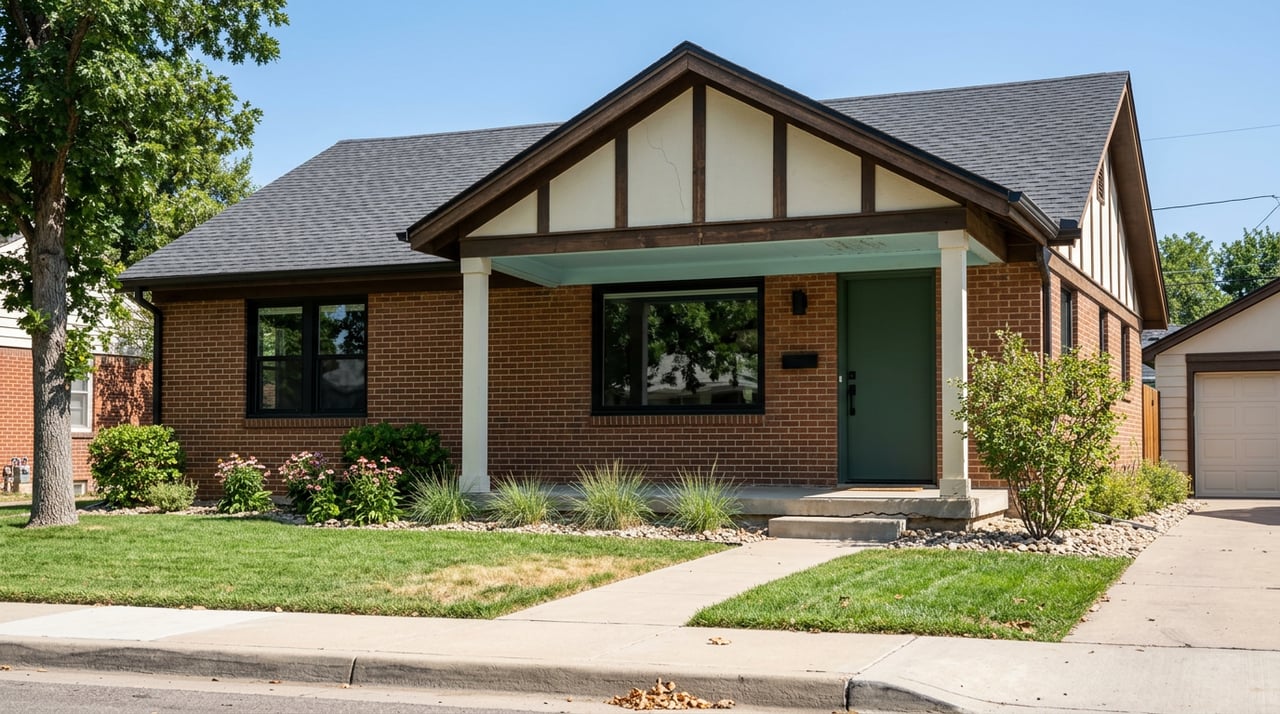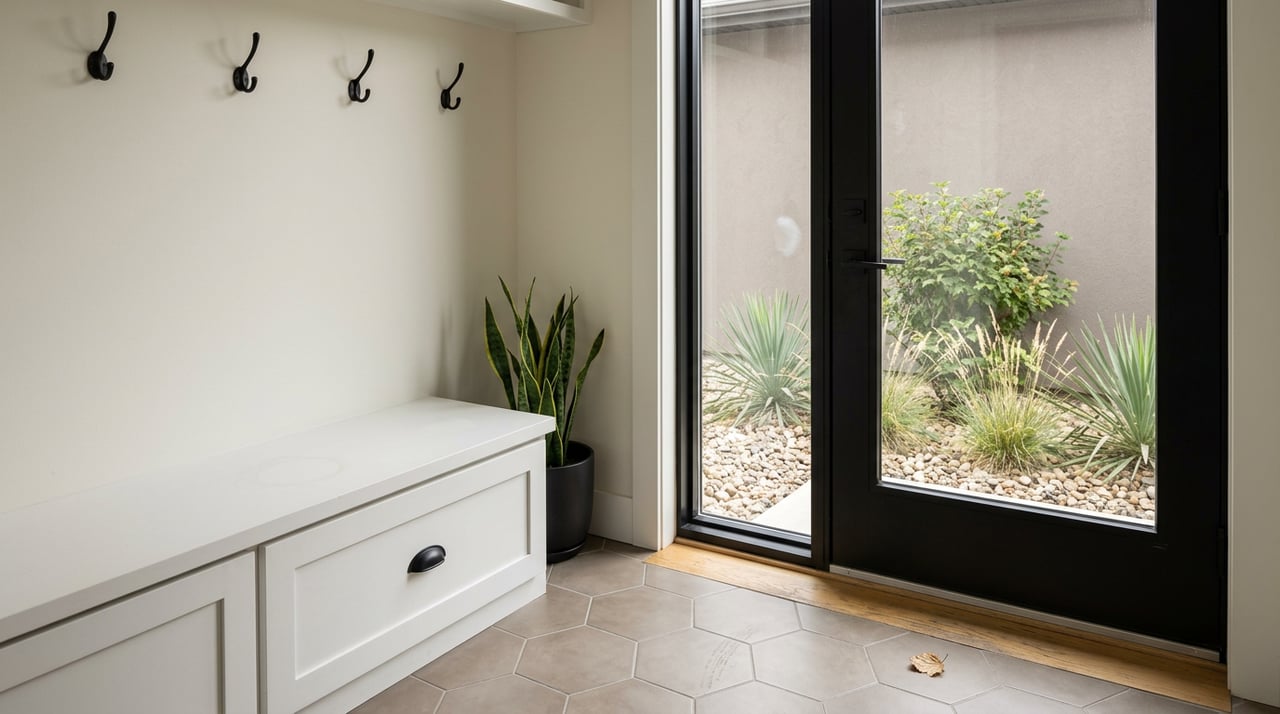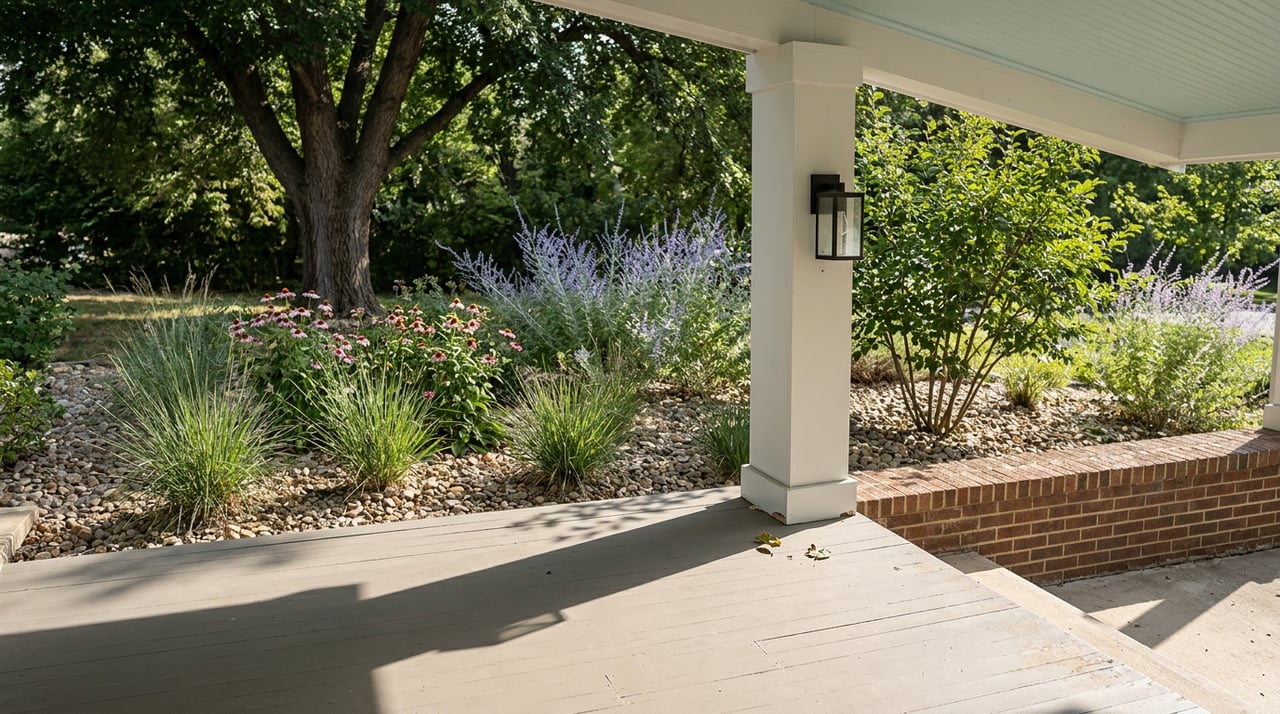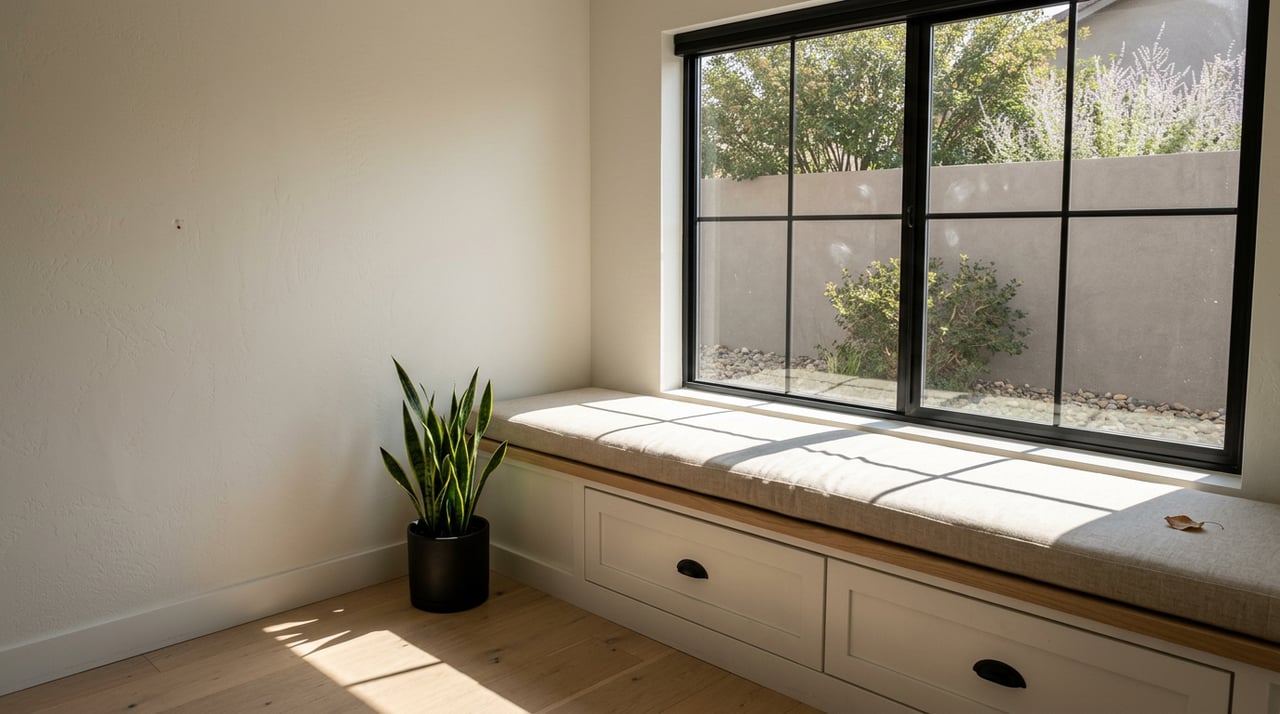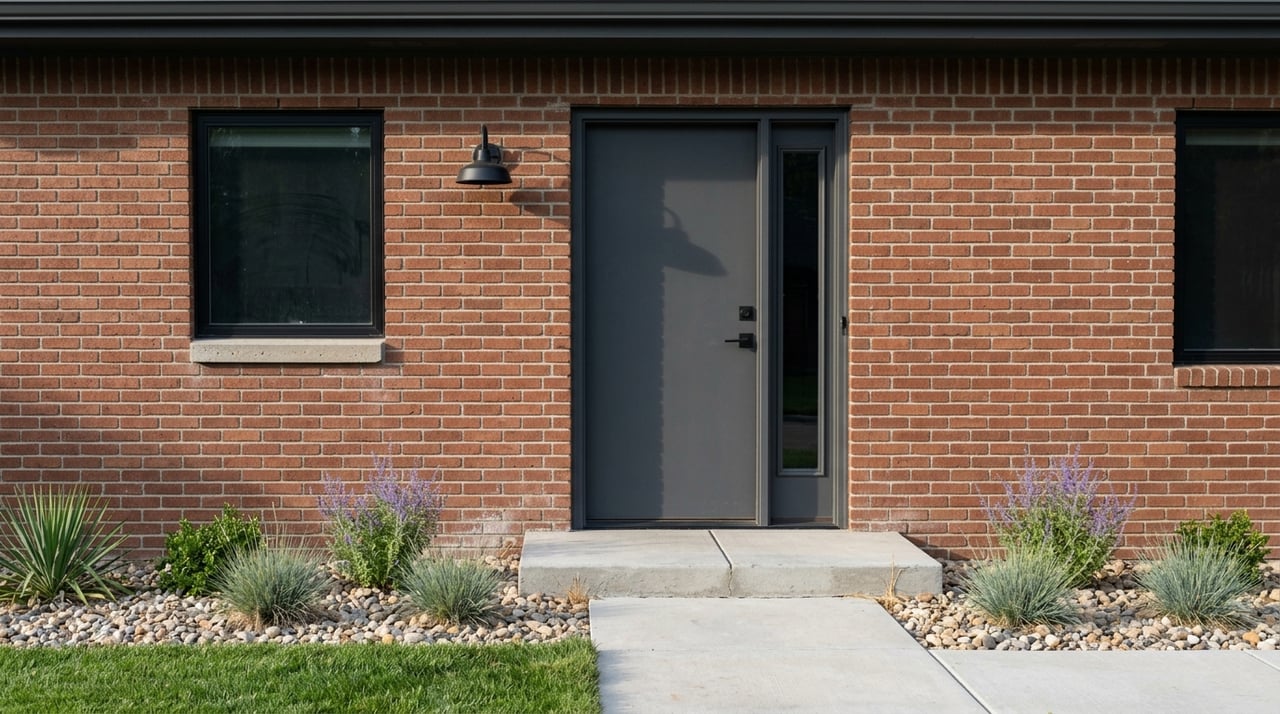
Wondering whether a newer home or an older one is the better fit in Longmont? You are not alone. In a city where historic neighborhoods near the original Main Street grid sit alongside infill projects, redevelopment areas, and newer communities, the choice is about more than age alone. This guide will help you compare layout, maintenance, lot patterns, neighborhood feel, and buyer diligence so you can make a more confident move. Let’s dive in.
Longmont makes this decision unique
Longmont has a distinct housing story. The city grew from an original one-square-mile grid centered on Main Street, and many of its cultural resource surveys are focused within that historic core. The city also identifies two National Historic Districts there: Eastside and Westside.
At the same time, Longmont is planning for about 24,000 additional residents by 2035. The city is emphasizing infill, redevelopment, and expanded housing choices. For you as a buyer, that means newer versus older homes often reflects different eras of Longmont’s growth rather than a simple better-or-worse comparison.
Today’s market context matters too. The Census Bureau reports a 62.5% owner-occupied housing unit rate in Longmont, a median owner-occupied home value of $572,800, median monthly owner costs with a mortgage of $2,226, and median gross rent of $1,816. Those numbers reinforce why buyers want to think carefully about long-term value, repair risk, and day-to-day livability.
What newer homes in Longmont often offer
Newer homes in Longmont are shaped by current design standards, updated infrastructure, and evolving efficiency priorities. The city says new development must follow standards for building height, landscaping, and compatibility. Longmont also currently enforces the 2021 International Codes and plans to adopt the 2024 Codes effective July 1, 2026.
In everyday terms, a newer home often gives you a more contemporary floor plan and fewer immediate repair items. You may also see systems and finishes that feel more move-in ready. That can make budgeting a little more predictable, especially if you want to avoid a long post-closing project list.
Newer housing in Longmont is not all the same, though. The city is encouraging redevelopment in places like Midtown and Southeast Longmont, while also supporting newer communities such as True North. Longmont describes True North as a new housing community with modern home designs, several size and design options, and a fully electrified neighborhood.
That range matters. A newer home in Longmont could mean compact infill close to established parts of the city, or it could mean a home in a more planned community setting. If you are assuming all newer homes come with big lots or all sit far from established areas, Longmont does not always follow that pattern.
Benefits that may matter most
If you are comparing newer options, these are often the biggest advantages:
- More current layouts and design choices
- Fewer near-term repair or replacement needs
- Construction shaped by current code requirements
- Landscaping and irrigation standards that reflect current water-efficiency goals
- Potentially lower day-one maintenance demands
What older homes in Longmont often offer
Older homes are most concentrated in Longmont’s historic core. The city defines an old structure as one that is at least 50 years old, and much of its preservation work is focused within the original square mile. That historic development pattern helps explain why many older homes feel closely tied to downtown and to Longmont’s early identity.
For many buyers, the draw is easy to understand. Older homes can offer established surroundings, distinctive architecture, and a sense of place that feels layered over time. In Longmont, that character is closely connected to preserved streets, historic districts, and the city’s cultural history.
Still, charm is only one side of the equation. The city’s Housing Rehabilitation Program helps income-qualified owners with essential repairs and accessibility modifications, including electrical, plumbing, and sewer repairs, as well as work involving furnaces, water heaters, boilers, roofs, gutters, siding, windows, and trip-and-fall mitigation. That is a useful reminder that older homes may come with more repair uncertainty and a greater need for inspection and reserve planning.
Benefits that may matter most
If you are drawn to older homes, these are often the biggest advantages:
- Closer connection to Longmont’s historic core
- More established streetscapes and downtown proximity
- Distinct character and period details
- A setting tied to the city’s original development pattern
Tradeoffs to watch closely
Older homes may also require more diligence in these areas:
- Deferred maintenance
- Aging electrical, plumbing, or mechanical systems
- Roof, window, or drainage issues
- A less predictable timeline for updates and repairs
- Past improvements that may need permit verification
Lot size is not a simple old-versus-new issue
A lot of buyers assume older automatically means larger lots and newer automatically means smaller lots, or the reverse. In Longmont, the research suggests it is more nuanced than that. Lot size depends more on subarea and development form than on age alone.
Older homes in the original grid often sit on tighter urban lots. Newer housing, meanwhile, can be compact infill, redevelopment product, or more conventional planned-community housing. Because Longmont’s growth strategy prioritizes infill and redevelopment, the newest home is not automatically the one with the biggest yard.
That is why it helps to think in terms of lifestyle rather than assumptions. If you want a lower yard-maintenance setup, some newer homes may line up well with that goal. If you want a certain outdoor layout or a more traditional block pattern, specific subareas may matter more than the build year itself.
Maintenance and repair planning
If you want a home with fewer immediate surprises, newer construction often has an edge. In general, newer homes tend to offer more predictability because major systems are newer and built under more current requirements. That does not eliminate maintenance, but it can reduce the chance that several big-ticket items arrive at once.
Older homes usually require a more detailed due-diligence plan. Longmont requires permits for new construction and for many changes to existing buildings, including electrical, gas, mechanical, plumbing, and structural work. The city also says homes must be sanitary, safe, and maintained in good repair under its property-maintenance checklist.
If you are considering an older home, pay especially close attention to:
- Roof condition
- Window condition
- Drainage concerns
- HVAC age and performance
- Plumbing condition
- Electrical updates
- Signs of past work that may need permit confirmation
A careful inspection matters with any purchase, but it becomes especially important when a home may have gone through decades of changes. Contractor estimates can also help you understand what repairs are urgent, what can wait, and how those costs affect your true budget.
Neighborhood feel can be very different
Older and newer parts of Longmont often deliver very different day-to-day experiences. Historic-core areas are tied to downtown, preserved streets, and the city’s cultural identity. These areas can feel established, layered, and closely connected to Longmont’s original street pattern.
Newer areas are more often found in redevelopment districts or planned communities along growth corridors. The city describes downtown as a key civic area and says new projects must fit existing neighborhoods through design standards. That tends to create a more structured, code-driven feel in newer settings, while older areas often feel more organically shaped by time.
Neither is automatically better. It depends on whether you want a home environment that feels historic and central, or one that feels newer, more uniform, and often more turnkey. The right answer comes down to how you want to live every day.
A simple way to decide
If you are stuck between newer and older homes in Longmont, start with your top priorities. Most buyers are really choosing between predictability and character, not just construction date.
Here is a simple framework:
A newer home may fit you better if you want
- More modern layouts
- Fewer immediate repair projects
- Systems built to more current standards
- Landscaping shaped by current efficiency expectations
- A move-in-ready feel with less upfront uncertainty
An older home may fit you better if you want
- Proximity to Longmont’s historic core
- Established surroundings near the city’s original grid
- Distinct architecture and character
- A home with history, even if it needs updates over time
Ask yourself these buyer questions
Before you choose, consider:
- How much repair risk are you comfortable taking on?
- Do you want charm and location more than turnkey condition?
- Would you prefer a more structured new-community feel or an established historic setting?
- How important is yard maintenance to your lifestyle?
- Do you have room in your budget for post-closing repairs or upgrades?
The Longmont bottom line
In Longmont, newer homes usually offer predictability, newer systems, and more current efficiency standards. Older homes usually offer location, history, and character, but with more uncertainty around updates and repair timing. Because Longmont is preserving its historic core while also guiding growth into redevelopment areas and new communities, that tradeoff is especially visible here.
The best choice is the one that matches how you actually want to live, maintain your home, and manage your budget over time. If you want help comparing specific homes, neighborhoods, and tradeoffs in Longmont, the team at Front Range Collective is here to help you move forward with clarity.
FAQs
What is the main difference between newer and older homes in Longmont?
- Newer homes in Longmont often offer more modern layouts, newer systems, and more predictable maintenance, while older homes often offer historic character, established surroundings, and closer ties to the city’s original core.
Are older homes in Longmont mostly near downtown?
- Many older homes are concentrated in Longmont’s historic core within the original one-square-mile grid centered on Main Street, including areas connected to the Eastside and Westside National Historic Districts.
Do newer homes in Longmont always have larger lots?
- No. In Longmont, lot size depends more on subarea and development form, since newer housing can include compact infill, redevelopment projects, and planned-community homes.
Why do inspections matter more for older homes in Longmont?
- Older homes may have more deferred maintenance or aging systems, so buyers should look closely at roof, windows, drainage, HVAC, plumbing, electrical work, and whether past updates may have required permits.
Are newer homes in Longmont built under current code standards?
- Longmont says it currently enforces the 2021 International Codes and plans to adopt the 2024 Codes effective July 1, 2026, so newer homes are generally shaped by more current construction standards.
How should Longmont buyers choose between a newer and older home?
- Start with your priorities, including repair tolerance, preferred layout, desired neighborhood feel, yard-maintenance goals, and whether you value turnkey condition or historic character more.