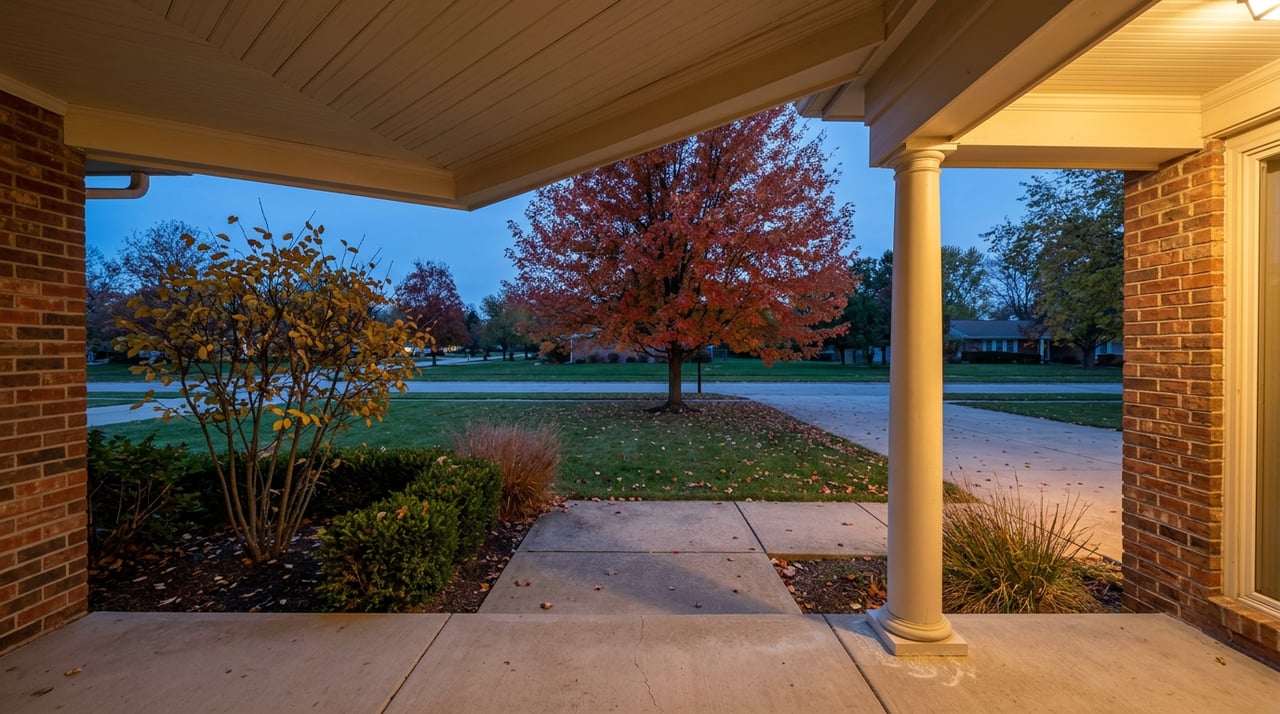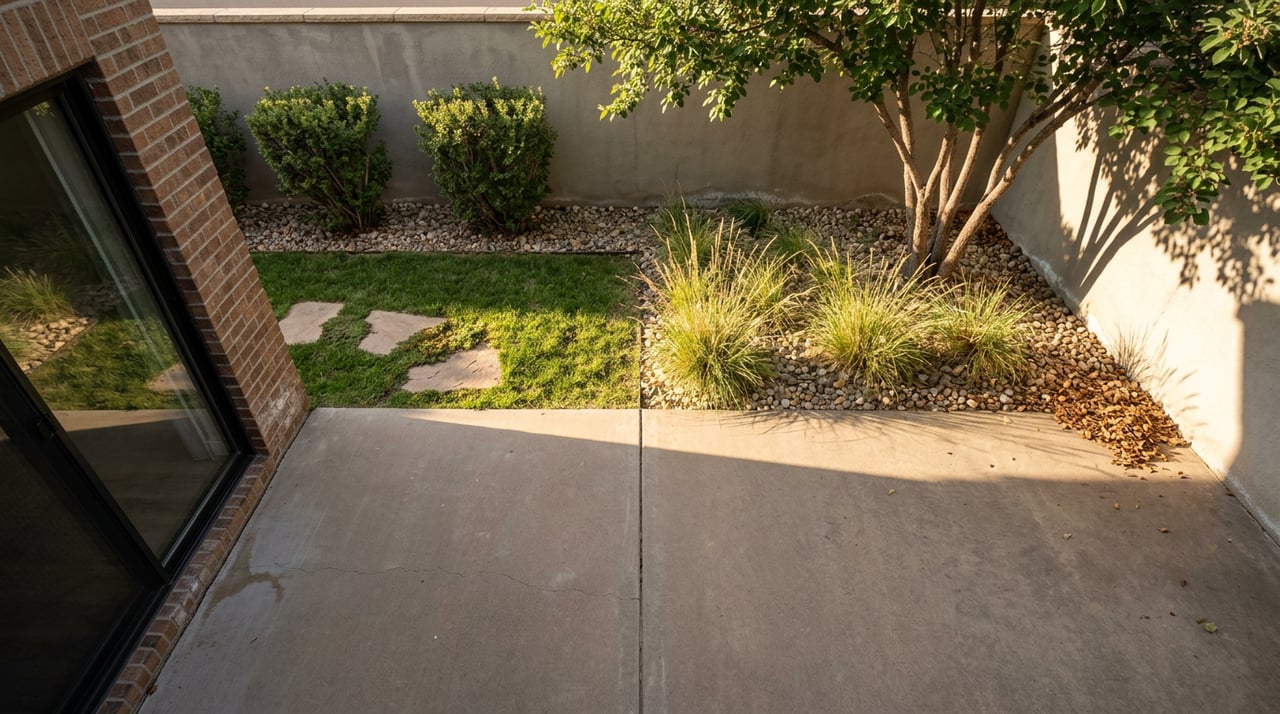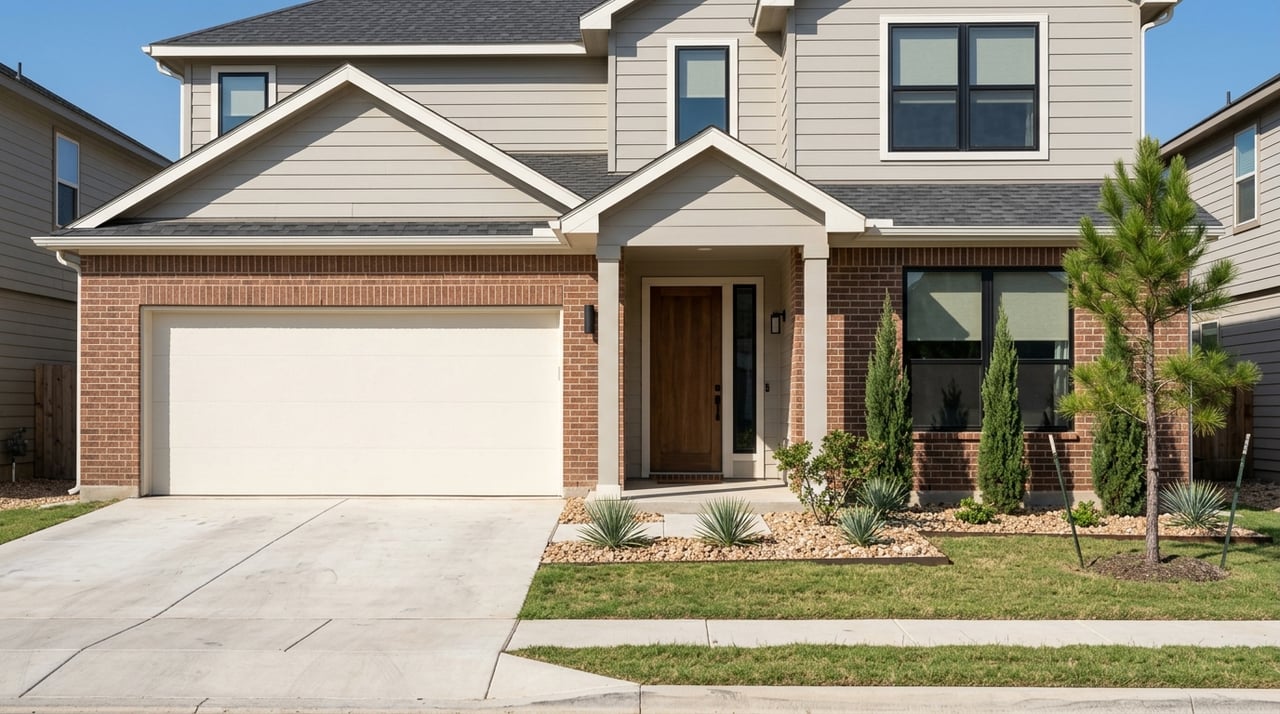
Thinking about a new construction home in Monument but not sure where to start? You’re not alone. With multiple master-planned communities, shifting timelines, and lots of builder options, it can feel overwhelming. This guide gives you a clear map of where to look, what to expect with pricing and timelines, and how to protect your investment from contract to warranty. Let’s dive in.
Where new homes are going up
Jackson Creek and Jackson Creek Parkway
The Jackson Creek corridor east of I‑25 is one of Monument’s most active new-build areas. Lokal Homes has marketed new phases in its Jackson Creek community, positioned for easy access to Colorado Springs and the Denver Tech Center. You can review current offerings and community details on the Jackson Creek community page from Lokal Homes.
Monument Junction corridor
Just south along the Jackson Creek Parkway corridor, Classic Homes is building at Monument Junction with a mix of attached and detached homes. This area benefits from nearby retail and I‑25 access. Explore project context and community updates on Classic Homes’ Monument Junction page.
Home Place Ranch and Sanctuary Pointe
South and southwest Monument feature large master-planned communities such as Home Place Ranch and Sanctuary Pointe. Multiple builders, including Challenger and Vantage, have been active here with a range of single-family and paired-home products. These plans often highlight open space connections and amenity centers that appeal to buyers seeking newer layouts and outdoor access.
Willow Springs Ranch
West of I‑25 near Baptist Road, Willow Springs Ranch is a larger master plan with several filings. National and regional builders like D.R. Horton, Richmond American, and Aspen View have been announced for different phases. See the builder roster and latest community info on the Willow Springs Ranch builders page.
Town planning and permits
Monument’s growth is phase-based rather than a single build-out. The Town reported 466 building permits in 2024 and is updating its Monument 2040 plan to guide infrastructure and approvals. For a high-level snapshot of activity and planning, review the Town of Monument’s 2024 Annual Report.
The new-build process in Monument
Product types and timelines
You’ll typically choose among three paths:
- Quick-move/spec homes. These are completed or near-complete homes that close more like a resale, often in 30 to 60 days. Upgrades are usually set.
- To-be-built (presale). You pick the lot, plan, and finishes, then close when the home is complete. Timelines vary by phase and site readiness.
- Semi-custom or custom. Expect longer timelines and different contract types than tract builds.
Nationally, average single-family build times run about 8 to 10 months for built-for-sale homes, with faster closings on spec inventory and longer timelines for custom. See industry data summarized by NAHB and others on build time trends.
Contracts and deposits
Builder contracts are often proprietary, not the standard Colorado resale forms. They commonly include staged deposits, firm deadlines for design selections, and tighter cancellation rules. Before you sign, have your buyer’s agent review deposit refundability, change-order rules, any arbitration clauses, pricing adjustments, and completion-date language. A careful read now protects you from surprise costs later.
Design center and budgeting
Plan an upgrade budget before your design appointment. Many buyers spend in the tens of thousands at the design center, and a practical rule of thumb is about 5 to 15 percent of the base price depending on product and builder. Get tips on setting that budget and prioritizing choices from this design-center planning guide. Remember that most upgrades roll into your loan, so weigh long-term value alongside monthly payment impact.
Permits and phase timing
Even when your plan is selected, start dates depend on phase approvals, infrastructure, and inspections. Monument’s planning and public works schedules influence when roads, utilities, and amenities are ready, which can affect build starts and closings. Ask your agent to confirm phase status and any known schedule risks so you can plan move timing with a healthy buffer.
Pricing, lots, and fees
Base prices vs. market medians
Market medians vary by data provider and timing. Recent reports show Monument’s median sale price around the high $500Ks to upper $700Ks. For example, Redfin’s Monument snapshot recently showed a median near $593,000, while some aggregators have reported higher medians in the $750,000 to $790,000 range. When you compare a new-build base price against resale comps, include likely upgrades and any lot premium to see the true total.
Upgrades that add value
Not all upgrades pay back the same. A simple framework helps you choose:
- Structural options. Think garage extensions, an added bedroom, or a covered patio. These are costly to add later, so consider doing them up front if they fit your lifestyle.
- Kitchen and bath finishes. Cabinets, counters, tile, and appliances can quickly add up. Focus on cohesive, widely appealing choices if resale value matters.
- Basement finish and rough-ins. A finished basement brings usable space, but pricing varies by builder. Compare a builder-finished option with post-closing contractor quotes.
Lot premiums and special districts
View, corner, cul-de-sac, and walkout lots often carry a premium. Many Monument communities also use metro or special districts to fund roads, water, and amenities. That can affect your tax bill and HOA or district assessments. Ask for written disclosures, fee schedules, and any bond information tied to the community, and review the PUD and public documents with your agent.
Incentives and preferred lenders
Builders frequently offer credits, rate buydowns, or design-center allowances, especially when using a preferred lender or title company. For a sense of what can be available locally, scan active community pages such as Classic Homes at Monument Junction. Always compare the net cost and loan terms to a competing lender quote so you know what you’re truly saving.
Warranties, inspections, and timelines that matter
What builder warranties cover
Most new homes come with a layered warranty structure often called 1‑2‑10. Generally, that means 1 year for workmanship and materials, 2 years for systems like electrical, plumbing, and HVAC, and 10 years for major structural coverage. For a plain-language overview, see this warranty explanation from 2‑10. Always confirm the exact coverage in your builder’s documents.
Colorado construction-defect timelines
Warranty coverage is not the same as your legal rights. Colorado has a two-year statute of limitations that starts when you discover a defect and a six-year statute of repose measured from substantial completion, with a limited two-year extension in some cases. Review the statute text for context: C.R.S. §13‑80‑104. Keep records of punch lists, communications, and repair visits so you do not miss key deadlines.
Inspections and punch lists
Even with new construction, independent inspections are smart. Aim for at least a pre-drywall check and a final inspection before closing. Note every item on your orientation and punch list, include photos, and submit requests through the builder’s warranty process. Good documentation makes warranty follow-up easier and faster.
Commute and lifestyle tradeoffs
New construction in Monument often appeals to buyers who want modern layouts, energy features, and lower near-term maintenance. Commute-wise, Monument sits between Colorado Springs and the Denver Tech Center, which offers flexibility for work. Typical drive times to downtown Colorado Springs are about 20 to 25 minutes in normal conditions, according to Travelmath’s drive-time estimates. The run to Denver or the DTC can take about 60 to 75 minutes depending on traffic and weather.
Monument Hill on I‑25 is known for winter conditions that can extend travel times. If commute certainty is a priority, build some buffer into your schedule and consider proximity to interchanges when choosing your lot. Weigh these tradeoffs against the value of a newer home with fewer near-term projects.
How your agent helps you win with new builds
A buyer’s agent who knows Monument’s builders and phases can protect your time and your budget. Here’s how the right partner adds measurable value:
- Contract review before you sign to explain deposits, refundability, arbitration, pricing adjustments, completion dates, and delay remedies.
- Lot and plan selection with resale in mind, including a check on nearby comps and future phases that could affect value.
- Negotiating incentives like credits, rate buydowns, or design-center allowances, while comparing net costs across lenders.
- A clear upgrade strategy that prioritizes structural options first and keeps your design-center spend on budget.
- Independent inspections at pre-drywall and pre-closing, plus punch-list and warranty tracking after move-in.
- Warranty timeline coaching so you do not miss important notice and claim windows under your contract and state law.
Ready to explore new construction?
If a new-build home in Monument is on your list, you do not have to navigate contracts, upgrades, and timelines on your own. Our team helps you compare communities, secure the right lot, negotiate incentives, and manage inspections and warranties so your move feels predictable from day one. Start a conversation with Front Range Collective and let’s map your best path forward.
FAQs
What parts of Monument have the most new construction?
- Jackson Creek and the Monument Junction corridor east of I‑25, plus master-planned areas like Home Place Ranch, Sanctuary Pointe, and Willow Springs Ranch.
How long does a new home take to build in Monument?
- Nationally, built-for-sale homes average about 8 to 10 months, with quicker closings on spec homes and longer timelines for custom or complex sites.
How much should I budget for design upgrades on a new build?
- A common planning range is 5 to 15 percent of the base price, with many buyers spending in the tens of thousands depending on selections.
What are lot premiums and why do they matter?
- Premiums apply to view, corner, cul-de-sac, or walkout lots and are added to the base price; they can improve livability and resale but raise upfront costs.
Do I need my own agent when buying a new construction home?
- Yes, a buyer’s agent helps you review contracts, compare lots and comps, negotiate incentives, schedule inspections, and track warranty timelines.
Are inspections necessary on brand-new homes?
- Yes, schedule at least a pre-drywall and a final inspection to catch issues early, document punch-list items, and streamline warranty follow-up.